
In the radioactive wasteland of the Chernobyl Exclusion Zone, a remarkable scientific discovery is unfolding. Scientists have identified a cancer-stopping gene in wolves that have adapted to survive in one of the most hostile environments on Earth. These extraordinary animals are thriving despite daily radiation exposure six times higher than the legal safety limit for humans. This groundbreaking discovery, presented at the annual meeting of the Society for Integrative and Comparative Biology in 2024, could fundamentally change how we understand and treat cancer in humans. The implications are nothing short of revolutionary, and at the heart of it all lies this powerful cancer-stopping gene.
The Nuclear Wasteland That Became a Living Laboratory
On April 26, 1986, the Chernobyl Nuclear Power Plant in Ukraine experienced a catastrophic meltdown that released massive amounts of radioactive material into the environment. The Soviet military quickly established the Chernobyl Exclusion Zone—a 30-mile cordon where public access was forbidden. Today, this 2,590-square-kilometer area remains largely deserted by humans, but wildlife has flourished in unexpected ways.
What makes this location so scientifically valuable is the combination of factors at play. The background radiation in the zone is up to 100 times higher than in the nearby uncontaminated city of Kiev. Yet despite these hazardous conditions, wolf populations inside the zone are approximately seven times denser than in surrounding protected areas.
For evolutionary biologist Cara Love of Princeton University, this contradiction posed an irresistible question: How were these animals not just surviving, but thriving? The answer, she suspected, might lie in a cancer-stopping gene that had evolved to protect these animals from radiation-induced malignancies.
The Discovery: How the Cancer-Stopping Gene Works
Beginning in 2014, Love and her research team embarked on a decade-long study of grey wolves in the Chernobyl Exclusion Zone. Their methodology was comprehensive and innovative. The team captured wolves, fitted them with GPS collars equipped with radiation dosimeters, and collected blood samples for genetic analysis.
The findings were startling. Wolves in the exclusion zone are exposed to approximately 11.28 millirem of radiation daily—more than six times the legal safety limit for human workers. Yet these wolves show remarkable resilience. When the researchers analyzed their blood samples, they discovered something extraordinary.
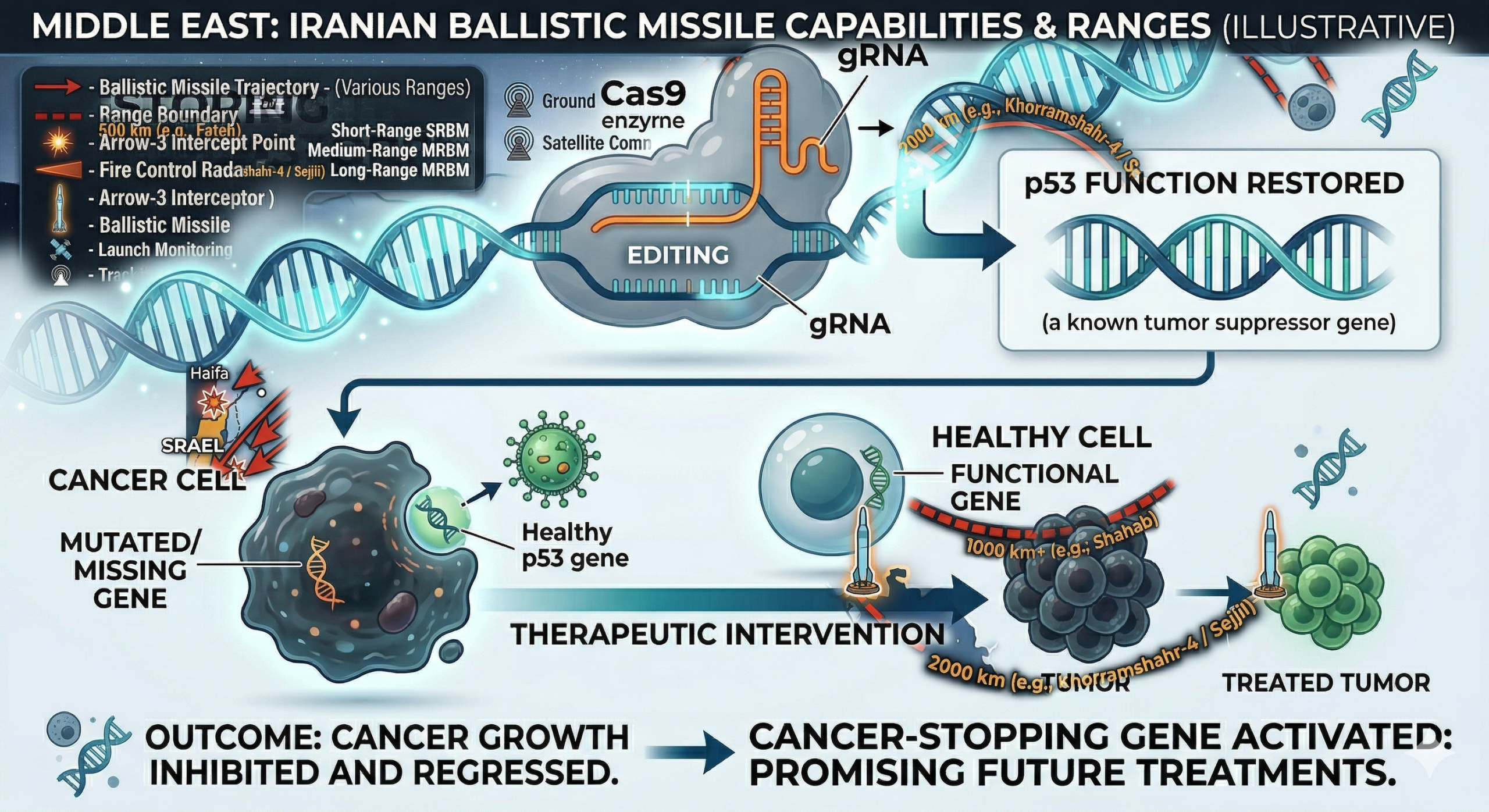
The wolves had developed altered immune systems that bear a striking resemblance to cancer patients undergoing radiation therapy. More importantly, the research identified specific regions in the wolf genome that appear resilient to increased cancer risk. This cancer-stopping gene mutation essentially gives these animals what researchers describe as “genetic armour.”
The official research abstract, published in the journal Cancer Research, explains the mechanism in precise scientific terms: the wolves show activation of neutrophil and macrophage signatures while suppressing several adaptive immune-related signatures. Put simply, their immune systems have been rewired to handle the constant assault of radiation, thanks largely to this cancer-stopping gene.
Polygenic Selection: Nature’s Evolutionary Response
The genetic changes observed in Chernobyl wolves represent a fascinating evolutionary process called polygenic selection. Rather than a single gene mutating to provide protection, multiple genes appear to have adapted in coordination. However, the cancer-stopping gene functions as a cornerstone of this protective network.
The study identified 3,180 outlier genes in the Chernobyl wolf population that showed signatures of polygenic selection through increased rates of genetic divergence. These genes overlap significantly with those involved in cancer physiology, including functions like anti-tumor immunity and cellular invasion and migration. The cancer-stopping gene stands out among these as particularly significant for human medical applications.
This means that over approximately 40 years and perhaps 15 generations of wolves, natural selection has favored individuals with genetic profiles better equipped to handle radiation exposure. Wolves susceptible to radiation-induced tumors were less likely to survive and reproduce, leaving behind a population capable of repairing DNA damage at an extraordinary rate. The cancer-stopping gene represents the pinnacle of this evolutionary pressure.
The Human Connection: What This Means for Cancer Treatment
The discovery of this cancer-stopping gene in Chernobyl wolves is particularly exciting because of how closely canine cancer biology mirrors human cancer biology. Dogs share our environment, breathe our air, and often suffer from similar types of cancer. Scientists have long known that studying cancer in dogs can provide more applicable insights than studying laboratory mice.
The Chernobyl wolf research has already identified specific genes that could serve as targets for human cancer therapies. In human cancer data from The Cancer Genome Atlas (TCGA), researchers found that 23 genes over-expressed in Chernobyl wolves had significant positive prognostic impact in at least two human tumor types. Many of these are directly connected to the cancer-stopping gene network.
One particularly promising gene identified is PTPN6, which previously showed positive prognostic value in bladder cancer and now appears prognostic in three additional tumor types. When researchers examined human bladder cancer data, they found that genes differentially regulated in Chernobyl wolves—including the cancer-stopping gene—were disproportionately associated with improved survival outcomes.
Shane Campbell-Staton, a fellow evolutionary biologist at Princeton who worked on the research, explained to NPR that their team has begun collaborating with cancer biologists and companies to analyze the data and determine whether there are directly translatable differences that could provide new therapeutic targets for human cancer. The cancer-stopping gene is at the top of their list for further investigation.
Other Remarkable Adaptations in the Chernobyl Ecosystem
The wolves are not the only animals showing remarkable adaptations to radiation in the Chernobyl Exclusion Zone. The entire ecosystem appears to be evolving in response to the unique environmental pressures. However, the cancer-stopping gene found in wolves remains the most promising discovery for human medicine.
The Black Frogs of Chernobyl: Eastern tree frogs in the zone have developed much darker skin than frogs outside the zone. Some are completely pitch-black. Researchers believe that the frogs with the most protective melanin pigment were most likely to survive in highly radioactive areas, leading to populations dominated by darker frogs. This represents rapid evolution in response to radiation exposure, though they lack the cancer-stopping gene seen in wolves.
Radiation-Resistant Bacteria: Bacteria found on the wings of swallows within Chernobyl show greater resistance to gamma radiation. When exposed to radiation doses that would kill normal bacteria, these microorganisms continue to reproduce and thrive.
A New Species of Dog: Thousands of feral dogs now live in the zone, descended from pets abandoned when residents fled in 1986. DNA analysis of 302 feral dogs near the power plant revealed significant genetic differences from other dog populations, suggesting ongoing evolutionary changes that may eventually reveal a cancer-stopping gene similar to what wolves possess.
These examples demonstrate that the cancer-stopping gene in wolves is part of a broader pattern of evolutionary adaptation to extreme environmental conditions, but it is the wolves that offer the most direct insights for human cancer treatment.
The Geographic Spread: Wolves Beyond the Exclusion Zone
One intriguing aspect of this research involves the movement of these genetically adapted wolves beyond the Chernobyl Exclusion Zone. In 2015, scientists tracking wolves fitted with GPS devices made an unexpected discovery.
While most adult wolves remained within the exclusion zone, one young wolf ventured far beyond. Over 21 days, this individual traveled first into Belarus and then into Russia, covering approximately 300 kilometers from its original location. This dispersal raises important questions about how the cancer-stopping gene and other protective mutations might spread into wider wolf populations.
If these radiation-adapted wolves breed with wolves outside the zone, the cancer-stopping gene could potentially spread into populations without the same level of radiation exposure. This natural gene flow could have implications for understanding how genetic adaptations move through wild populations and whether the cancer-stopping gene might eventually become more widespread in nature.
Scientific Challenges and Ongoing Research
The research into Chernobyl wolves has faced significant obstacles. Initially, the COVID-19 pandemic halted fieldwork and laboratory analysis. More recently, the ongoing conflict between Russia and Ukraine has made access to the exclusion zone impossible for the research team.
Dr. Love emphasized the human dimension of these challenges, stating, “The first priority is to keep the people and collaborators there as safe as possible.” Despite these setbacks, the scientific work continues through analysis of previously collected data and collaboration with cancer researchers worldwide. The cancer-stopping gene remains the central focus of this ongoing work.
Campbell-Staton explained to NPR that while the research is currently interrupted, the team is still working to interpret their findings with cancer biology specialists. The goal remains to identify whether the genetic differences observed in Chernobyl wolves—particularly the cancer-stopping gene—can translate directly into new approaches for human cancer treatment.
The Role of Human Absence in Wildlife Recovery
One important consideration in evaluating the Chernobyl wolf population is the role of human absence. The exclusion zone is not only radioactive but also free from human activities like hunting, logging, and agriculture.
Campbell-Staton noted on NPR that wolves in the Chernobyl Exclusion Zone may face pressures from cancer, but they do not face pressures from hunting. This absence of human disturbance undoubtedly contributes to the high wolf density observed in the zone—seven times higher than in surrounding protected areas. However, the cancer-stopping gene is what allows these wolves to survive the radiation exposure they face daily.
Scientists continue to debate the relative importance of radiation adaptation versus the absence of human pressure in explaining the thriving wolf population. The likely answer involves both factors working together. The wolves that can handle radiation survive because of the cancer-stopping gene, and without human hunting, their populations can grow.
Future Directions: From Wolves to Human Medicine
The discovery of a cancer-stopping gene in Chernobyl wolves opens several promising avenues for future research and medical application.
Identifying Therapeutic Targets: The 23 genes identified as having positive prognostic impact in human cancers represent potential targets for new cancer therapies. Drugs that activate or enhance the function of the cancer-stopping gene could potentially improve cancer outcomes.
Understanding Radiation Resistance: As space exploration expands and radiation therapy remains a cornerstone of cancer treatment, understanding how organisms naturally develop radiation resistance becomes increasingly valuable. The cancer-stopping gene in Chernobyl wolves offers a living model for studying this process.
Immune System Enhancement: The distinct immune profile observed in Chernobyl wolves—activation of certain immune pathways and suppression of others—could inform approaches to boosting human immune function during cancer treatment. The cancer-stopping gene appears to orchestrate much of this immune modulation.
Predictive Genetics: The research demonstrates how studying populations under extreme environmental stress can reveal which genetic variations matter for survival. The cancer-stopping gene exemplifies how this approach could be applied to identify genetic factors that influence cancer outcomes in human populations.
What Sets Chernobyl Wolves Apart
It is worth understanding why the cancer-stopping gene in wolves is so significant compared to other examples of radiation resistance in nature.
Multiple species have shown radiation resistance. The bacterium Deinococcus radiodurans, nicknamed “Conan the Bacterium,” can survive doses of radiation thousands of times higher than what would kill a human. Various insects and plants have also shown remarkable radiation tolerance.
What makes the Chernobyl wolf discovery different is the direct relevance to human health. Wolves are large mammals with complex immune systems and cancer biology similar to humans. The cancer-stopping gene they have developed over approximately 15 generations in the exclusion zone provides a unique window into how mammalian systems can evolve to resist cancer. No bacterium or insect can offer the same level of translational insight as this cancer-stopping gene found in a close mammalian relative.
Conclusion: A Beacon of Hope in a Contaminated Landscape
The discovery of a cancer-stopping gene in the wolves of Chernobyl represents one of the most hopeful scientific developments to emerge from a site synonymous with environmental disaster. In the shadow of the world’s worst nuclear accident, nature has demonstrated remarkable resilience.
These wolves are not merely surviving—they are thriving. Their populations have expanded, their genetic makeup has evolved, and their immune systems have adapted to handle a constant assault of radiation that would cause severe health problems in unadapted animals. At the core of this adaptation lies the cancer-stopping gene, a genetic marvel that has captured the attention of cancer researchers worldwide.
For the researchers who study them, these animals offer more than just scientific curiosity. They offer a potential roadmap to better cancer treatments, insights into how the immune system can be strengthened, and hope that the damage caused by radiation—whether from accidents or medical treatments—can potentially be mitigated through understanding natural adaptations like the cancer-stopping gene.
As Dr. Love and her colleagues continue their work, analyzing the genetic data they collected before the war interrupted their fieldwork, the world waits to see what additional secrets these remarkable animals might reveal. The wolves of Chernobyl, it turns out, are not victims of nuclear disaster. They are survivors. And their cancer-stopping gene may one day help us survive cancer.