
Cancer: Early Detection, Modern Treatments, and the Future of Cancer Medicine
Cancer remains one of the most serious health challenges worldwide. However, advancements in early cancer detection, AI in healthcare, precision medicine, and modern cancer treatments are helping doctors diagnose and treat cancer more effectively than ever before.
Today, researchers are exploring new technologies such as liquid biopsy, AI‑powered cancer diagnosis, personalized cancer therapy, and cancer vaccines. These innovations are improving survival rates and offering new hope for millions of patients.
According to research published by the World Health Organization (WHO), cancer continues to be one of the leading causes of death globally. However, early detection and improved treatments are dramatically increasing survival rates in many countries. More information about global cancer statistics can be found on the World Health Organization website:
https://www.who.int/news-room/fact-sheets/detail/cancer
In this article, we explore what cancer is, how early cancer detection works, modern cancer treatments, and the future of cancer research.
What is Cancer?
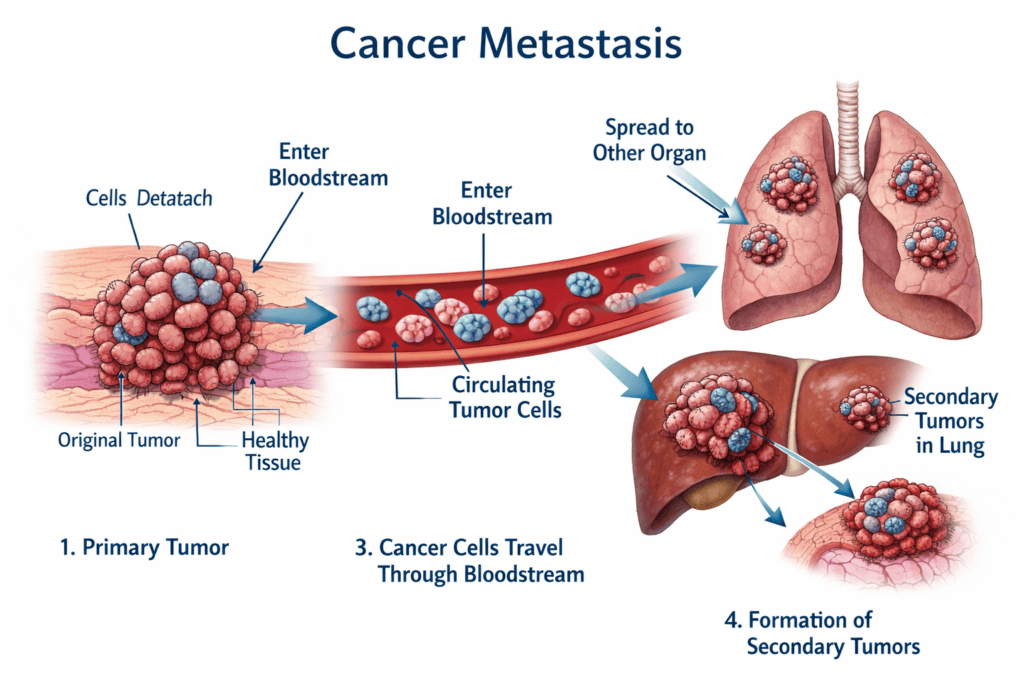
Cancer is a disease in which abnormal cells grow uncontrollably in the body. These cells can form tumors and spread to other organs through the bloodstream or lymphatic system.
Normally, healthy cells grow and divide in a controlled way. Cancer disrupts this natural process due to genetic mutations in DNA.
Medical researchers continue to study the causes of cancer through organizations like the National Cancer Institute, which provides detailed research about cancer biology and treatment:
https://www.cancer.gov/about-cancer
Common Types of Cancer
Some of the most common cancers worldwide include:
More information about different cancer types can be found at:
https://www.cancerresearchuk.org/about-cancer/what-is-cancer
- Breast cancer
- Lung cancer
- Prostate cancer
- Colorectal cancer
- Skin cancer
- Leukemia
Each cancer type behaves differently and requires specialized treatment.
How Cancer Can Be Diagnosed Early
One of the most important factors in improving cancer survival rates is early cancer detection. When cancer is found in its early stages, treatment is often more successful.
Regular Screening Tests
Doctors recommend regular screening tests to detect cancer before symptoms appear.
Examples include:
- Mammograms for breast cancer
- Colonoscopy for colorectal cancer
- Pap tests for cervical cancer
- PSA blood tests for prostate cancer
The American Cancer Society provides updated screening guidelines that help people detect cancer early:
https://www.cancer.org/healthy/find-cancer-early.html
Medical Imaging Technologies
Doctors use advanced imaging tools to detect tumors inside the body.
Common diagnostic imaging technologies include:
- CT scans
- MRI scans
- Ultrasound imaging
- PET scans
Radiology specialists explain these technologies in detail at:
https://www.radiologyinfo.org/en/info/cancerscreen
These imaging methods help doctors identify tumor size, location, and spread.
Biopsy and Laboratory Testing
A biopsy is considered the most reliable method to confirm cancer. In this procedure, doctors remove a small tissue sample and examine it under a microscope.
Detailed explanations of biopsy procedures can be found on the Mayo Clinic medical research website:
https://www.mayoclinic.org/tests-procedures/biopsy/about/pac-20384634
Liquid Biopsy and Genetic Testing
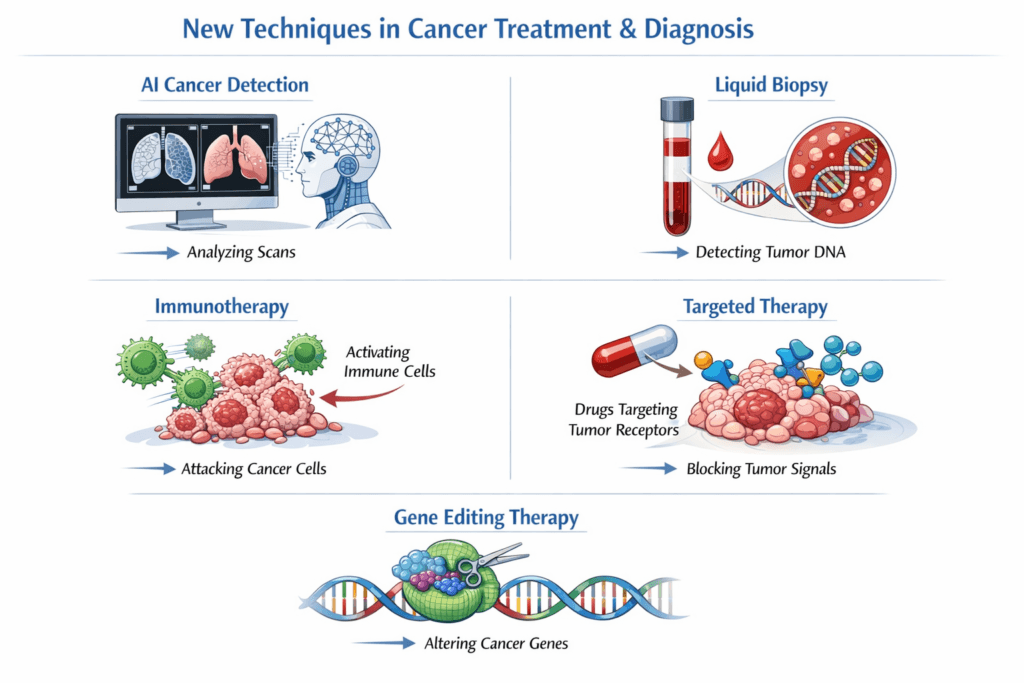
One of the most exciting developments in early cancer detection is liquid biopsy technology, which allows doctors to detect cancer through a simple blood test.
Researchers from Harvard Medical School are currently studying how liquid biopsy can help detect cancer earlier than traditional imaging:
https://hms.harvard.edu/news/liquid-biopsy-cancer
Modern Cancer Treatments
Modern medicine has developed several powerful treatments that target cancer cells more precisely than older therapies.
Surgery
Surgery is often used when tumors can be removed safely. If cancer is detected early, surgery may completely eliminate the disease.
Many hospitals specialize in advanced cancer surgery techniques explained at:
https://www.mskcc.org/cancer-care/types
Chemotherapy
Chemotherapy uses powerful drugs to destroy cancer cells or slow their growth.
It is commonly used:
- Before surgery to shrink tumors
- After surgery to prevent recurrence
- When cancer has spread
The National Health Service (NHS) provides detailed information about chemotherapy treatments:
https://www.nhs.uk/conditions/chemotherapy
Radiation Therapy
Radiation therapy uses high‑energy radiation to destroy cancer cells.
This treatment is commonly used alongside surgery or chemotherapy.
Information about radiation therapy is available at:
https://www.cancer.gov/about-cancer/treatment/types/radiation-therapy
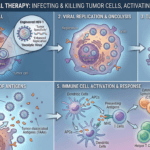
Immunotherapy
One of the most exciting breakthroughs in modern cancer medicine is immunotherapy.
This treatment helps the immune system recognize and destroy cancer cells.
Cancer research centers like MD Anderson Cancer Center are leading research in this field:
https://www.mdanderson.org/cancerwise/immunotherapy
Targeted Therapy
Targeted therapy focuses on specific molecules that allow cancer cells to grow.
Unlike traditional chemotherapy, targeted therapy attacks cancer cells more precisely and may reduce damage to healthy cells.
More about targeted cancer therapy can be found at:
https://www.cancer.org/cancer/managing-cancer/treatment-types/targeted-therapy.html
Real‑World Examples of Cancer Detection and Treatment
Modern medicine has significantly improved cancer survival rates.
Early Breast Cancer Detection
Routine mammograms have helped detect breast cancer earlier, leading to higher survival rates.
Educational resources about breast cancer screening can be found at:
https://www.breastcancer.org/screening-testing
Lung Cancer Screening
Low‑dose CT scans are recommended for people with a high risk of lung cancer, especially smokers.
Guidelines for lung cancer screening are available at:
https://www.cdc.gov/cancer/lung/basic_info/screening.htm
Personalized Cancer Treatment
Modern hospitals now use precision medicine, which analyzes a patient’s genetic profile to select the best treatment.
Research on precision medicine is supported by the National Institutes of Health:
https://www.nih.gov/precision-medicine-initiative
Lifestyle and Cancer Prevention
Although not all cancers can be prevented, healthy lifestyle choices can reduce the risk.
Ways to Lower Cancer Risk
- Avoid smoking and tobacco
- Eat a healthy balanced diet
- Exercise regularly
- Protect skin from UV radiation
- Limit alcohol consumption
- Maintain a healthy weight
Public health recommendations are available from the Centers for Disease Control and Prevention (CDC):
https://www.cdc.gov/cancer/preventin.htm
The Future of Cancer Detection and Treatment
Medical technology is advancing rapidly, and the future of cancer treatment looks promising.
AI in Cancer Diagnosis
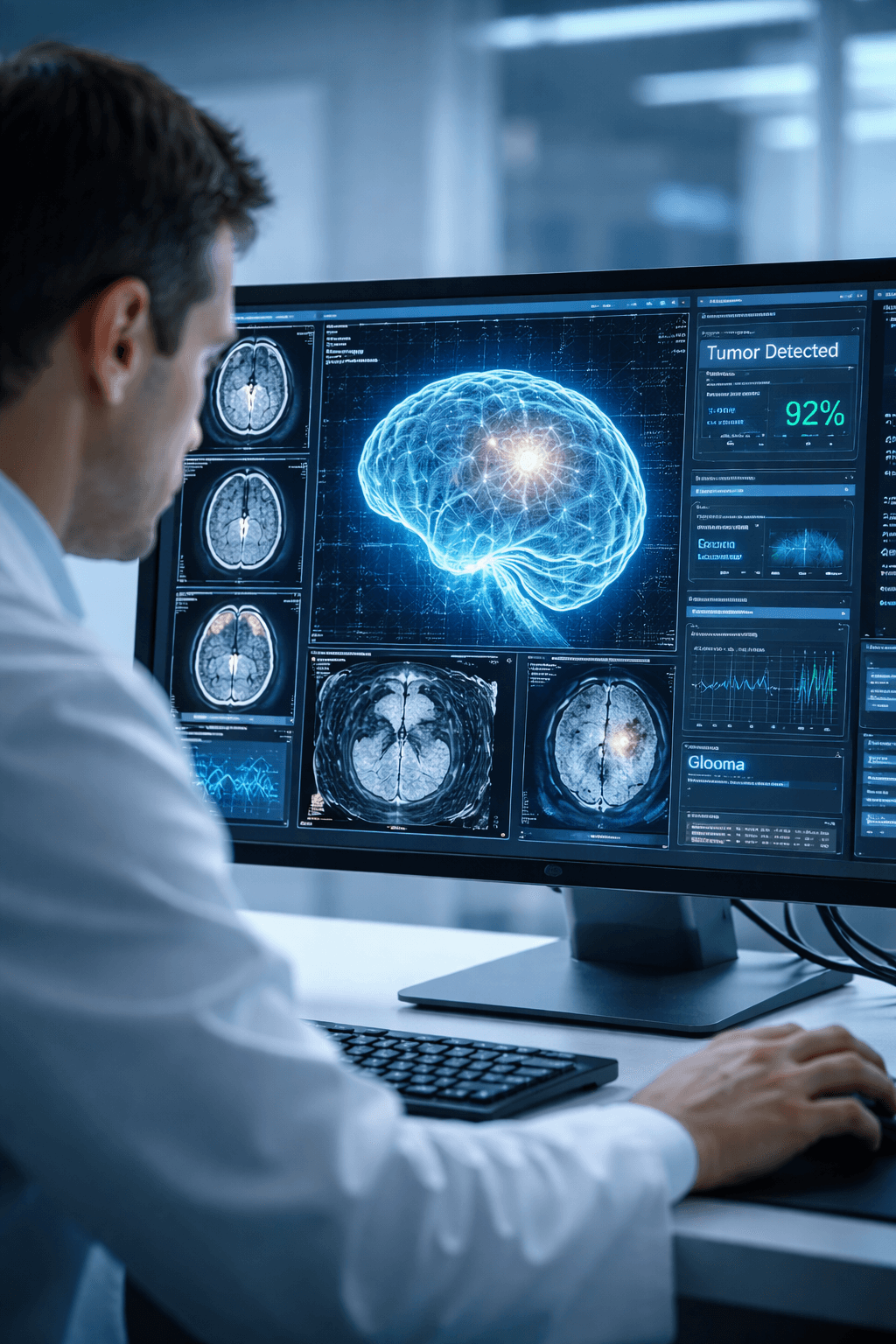
Artificial intelligence is being used to analyze medical scans and detect cancer earlier and more accurately.
AI tools can identify patterns in imaging data that doctors might miss.
Research on AI in cancer diagnosis is being conducted at Stanford Medicine:
https://med.stanford.edu/artificial-intelligence
Cancer Vaccines
Scientists are developing vaccines that train the immune system to fight cancer cells.
Several experimental cancer vaccines are currently being tested in clinical trials.
Personalized Cancer Medicine
Future cancer treatments will likely focus on precision medicine, where therapies are tailored to each patient’s genetics and tumor type.
This approach could dramatically improve treatment success rates.
Image Ideas for This Article
- High‑resolution microscopic image of cancer cells dividing.
- Doctor analyzing CT scans for early cancer detection.
- Scientific illustration showing immunotherapy attacking cancer cells.
Conclusion
Cancer remains a complex and challenging disease, but scientific progress is transforming how it is diagnosed and treated. Early cancer detection through screening, imaging technologies, and genetic testing is improving survival rates around the world.
Modern treatments such as immunotherapy, targeted therapy, precision medicine, and AI‑powered cancer diagnosis are revolutionizing cancer care.
Looking ahead, innovations like liquid biopsy, cancer vaccines, and artificial intelligence in healthcare may dramatically improve early detection and treatment outcomes.
With continued research, collaboration, and public awareness, the future of cancer medicine offers hope for better prevention, earlier diagnosis, and more effective treatments for patients worldwide.

2 thoughts on “Early Cancer Detection, Modern Treatments, and Future Innovations in Cancer Medicine Description”