
Introduction: Understanding the Ethical Issues of CRISPR Gene Editing
CRISPR gene editing has revolutionized modern biotechnology by allowing scientists to modify DNA with unprecedented precision. Researchers can now correct genetic mutations, study diseases more effectively, and potentially cure inherited disorders.
However, alongside these scientific breakthroughs come significant ethical questions. Many researchers and policymakers are increasingly focused on the ethical issues of CRISPR gene editing, which include concerns about human genetic modification, social inequality, environmental risks, and the misuse of powerful biotechnology.
The ability to alter the genetic code of living organisms raises complex questions about how far humans should go in modifying life itself. Some scientists believe CRISPR technology could transform medicine and agriculture, while others warn that improper use could create serious ethical and social consequences.
Because of these possibilities, understanding the ethical issues of CRISPR gene editing is essential for scientists, governments, and society as a whole.
Understanding the Ethical Issues of CRISPR Gene Editing in Modern Biotechnology
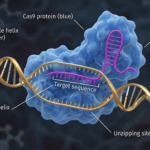
CRISPR technology works by using a molecular system that can locate and cut specific DNA sequences. Scientists then use the cell’s natural repair processes to modify genes.
This remarkable precision allows researchers to remove harmful mutations or insert beneficial genetic changes.
However, such powerful capabilities also raise major ethical questions.
Why the Ethical Issues of CRISPR Gene Editing Matter
Gene editing technologies can permanently change the DNA of living organisms. In some cases, these changes could even be passed to future generations.
Because of this, scientists must carefully evaluate the ethical implications of using CRISPR in humans and other species.
Scientific Responsibility in Gene Editing
The responsibility for managing the ethical issues of CRISPR gene editing does not belong only to scientists. Governments, international organizations, and the public must also participate in shaping guidelines for the safe use of this technology.
Expert Interview: Responsibility in Gene Editing Research
According to CRISPR pioneer Jennifer Doudna, gene editing technology carries enormous responsibility.
In discussions about the ethical issues of CRISPR gene editing, she emphasized the need for caution.
“CRISPR gives scientists the ability to change the fundamental code of life. Because of this power, we must ensure that the technology is used responsibly and ethically.”
Doudna has consistently advocated for global cooperation and ethical guidelines to regulate human gene editing research.
Her perspective highlights the importance of addressing the ethical issues of CRISPR gene editing before the technology becomes widely used in human medicine.
Designer Babies and the Ethical Issues of CRISPR Gene Editing
One of the most widely debated ethical concerns related to CRISPR is the possibility of creating designer babies.
Designer babies refer to children whose genetic characteristics are intentionally modified before birth.
How CRISPR Could Enable Genetic Trait Selection
In theory, CRISPR could allow scientists to modify genes responsible for specific traits such as:
- eye color
- height
- intelligence
- athletic ability
Although gene editing could prevent genetic diseases, using it for cosmetic enhancements raises serious ethical concerns.
Social Impacts of Genetic Enhancement
If genetic enhancements become available, society could face new forms of inequality and discrimination. People without genetic modifications might be considered disadvantaged.
These concerns represent a major aspect of the ethical issues of CRISPR gene editing.
Expert Interview: Bioethics and Social Impact of Gene Editing
Bioethicist Françoise Baylis has warned that gene editing technologies could create social divisions if they are not carefully regulated.
In her discussions about the ethical issues of CRISPR gene editing, she stated:
“Gene editing technologies raise fundamental questions about equality and justice. Society must decide how these technologies should be used.”
Baylis argues that the ethical issues of CRISPR gene editing are not only scientific challenges but also social and political ones.
Her work emphasizes the need for public participation in decisions about genetic technologies.
Safety Risks and Off-Target Mutations in the Ethical Issues of CRISPR Gene Editing
Despite its precision, CRISPR technology is not perfect. One major scientific concern is the possibility of unintended genetic changes.
What Are Off-Target Effects?
Off-target effects occur when CRISPR edits the wrong section of DNA.
These unexpected changes could lead to serious medical problems.
Potential Health Risks
Unintended mutations could potentially cause:
- new genetic disorders
- cancer
- developmental abnormalities
Because of these risks, researchers must conduct extensive testing before CRISPR therapies can be widely used in humans.
Environmental Concerns and the Ethical Issues of CRISPR Gene Editing
CRISPR is also used in agriculture and environmental science.
Scientists are developing gene drives that could spread genetic traits through entire populations of organisms.
Potential Benefits of Gene Drives
Gene drives could help eliminate disease-carrying mosquitoes or control invasive species.
Environmental Risks of Gene Editing
However, releasing gene-edited organisms into the environment could disrupt ecosystems and reduce biodiversity.
These environmental risks are another important part of the ethical issues of CRISPR gene editing.
Expert Interview: Global Regulation of Gene Editing Technology
International organizations are also addressing the ethical issues of CRISPR gene editing.
According to the World Health Organization, global cooperation is necessary to regulate human genome editing.
In a report on gene editing technologies, the organization stated:
“International governance is essential to ensure that genome editing technologies are used responsibly and ethically.”
The WHO has recommended stronger global policies to regulate human gene editing research and prevent misuse.
Case Study – The CRISPR Babies Controversy and the Ethical Issues of CRISPR Gene Editing
One of the most dramatic real-world events highlighting the ethical issues of CRISPR gene editing occurred in 2018. A Chinese scientist, He Jiankui, announced that he had created the world’s first gene-edited babies.
The experiment involved editing embryos to make them resistant to HIV infection. The embryos were later implanted, and twin girls were born with altered DNA.
This announcement shocked the global scientific community.
Many scientists argued that the experiment crossed ethical boundaries and ignored important safety precautions.
Why the CRISPR Babies Experiment Sparked Global Debate
The experiment raised serious questions about the ethical issues of CRISPR gene editing.
Researchers were concerned about several aspects of the study:
- the technology was not yet proven safe for human embryos
- the long-term effects were unknown
- ethical oversight appeared to be inadequate
Many experts believed that editing the DNA of embryos without clear medical necessity was irresponsible.
The event triggered widespread debate about whether scientists should be allowed to modify the human germline.
Scientific Community Response to the CRISPR Babies Experiment
After the announcement, many researchers condemned the experiment.
For example, CRISPR pioneer Jennifer Doudna expressed concern about the premature use of gene editing in human embryos.
Scientists around the world called for stricter regulations and ethical oversight.
The incident also led to renewed discussions about global policies addressing the ethical issues of CRISPR gene editing.
Ultimately, the scientist involved in the experiment faced legal consequences and was sentenced to prison by Chinese authorities.
This case demonstrated the urgent need for international standards governing gene editing research.
Future Ethical Frameworks for Addressing the Ethical Issues of CRISPR Gene Editing
As CRISPR technology continues to evolve, governments and scientific organizations are working to develop ethical frameworks for its responsible use.
These frameworks aim to balance the potential benefits of gene editing with the risks and ethical concerns associated with the technology.
International Guidelines for Gene Editing Research
Several international organizations have begun developing guidelines to address the ethical issues of CRISPR gene editing.
One of the most important organizations involved in this effort is the World Health Organization.
The WHO has proposed global governance systems to regulate human genome editing research.
These guidelines emphasize:
- transparency in scientific research
- strong ethical oversight
- international cooperation
- responsible communication with the public
Such policies aim to prevent unethical experiments while allowing beneficial research to continue.
Ethical Principles for Responsible CRISPR Development
Bioethicists have proposed several guiding principles for addressing the ethical issues of CRISPR gene editing.
These principles include:
Safety
Gene editing experiments must undergo extensive testing before being applied to humans.
Transparency
Researchers should openly share their findings and methods with the scientific community.
Fair Access
Gene editing therapies should be accessible to people from different economic backgrounds.
Public Engagement
Society should participate in decisions about how genetic technologies are used.
By following these principles, scientists and policymakers hope to ensure that CRISPR technology is developed responsibly.
The Future Debate Surrounding the Ethical Issues of CRISPR Gene Editing
As gene editing technologies improve, the ethical discussions surrounding them will likely intensify.
Future debates may focus on questions such as:
- Should gene editing be used to enhance human abilities?
- How can society prevent genetic inequality?
- What international regulations should govern gene editing research?
Experts believe that addressing the ethical issues of CRISPR gene editing will require collaboration between scientists, governments, ethicists, and the public.
Public education will also play an important role in helping people understand the benefits and risks of gene editing technologies.
Key Statistics About CRISPR Research
- According to research published in Nature Biotechnology, more than 10,000 CRISPR-related scientific papers have been published since 2012.
- The global gene editing market is expected to exceed $15 billion by 2030, driven largely by CRISPR technologies.
- Studies suggest that over 7,000 human diseases are caused by genetic mutations, many of which could potentially be treated using CRISPR gene editing.
- Clinical trials using CRISPR therapies are currently underway in more than 20 countries worldwide.
- In 2020, the Nobel Prize in Chemistry was awarded to Jennifer Doudna and Emmanuelle Charpentier for developing CRISPR gene editing technology.
These statistics demonstrate both the rapid growth and global impact of CRISPR technology while reinforcing the importance of discussing the ethical issues of CRISPR gene editing.
Conclusion: Addressing the Ethical Issues of CRISPR Gene Editing Responsibly
CRISPR gene editing represents one of the most powerful scientific discoveries of the 21st century. It has the potential to cure genetic diseases, improve agriculture, and accelerate scientific progress.
However, the technology also raises serious ethical questions that must be addressed carefully.
The major ethical issues of CRISPR gene editing include:
- designer babies
- germline editing
- genetic inequality
- safety risks
- environmental concerns
- biosecurity threats
- global regulation challenges
The case of the CRISPR babies experiment demonstrates why strong ethical oversight is necessary.
By developing responsible regulations and ethical guidelines, society can ensure that CRISPR technology benefits humanity while minimizing potential risks.
Balancing innovation with ethical responsibility will be essential as gene editing technologies continue to shape the future of science and medicine.
What are the ethical issues of CRISPR gene editing?
The ethical issues of CRISPR gene editing include concerns about designer babies, genetic inequality, safety risks, environmental effects, and the misuse of gene editing technology.
Why is CRISPR gene editing controversial?
CRISPR gene editing is controversial because it allows scientists to alter DNA, potentially affecting future generations and raising questions about safety and fairness.
Can CRISPR gene editing affect future generations?
Can CRISPR gene editing affect future generations?
Yes. Germline editing can modify DNA in embryos, and these genetic changes can be inherited by future generations.
Are there laws regulating CRISPR gene editing?
Many countries regulate CRISPR research, particularly human embryo editing, to address ethical concerns.
What is the biggest ethical concern about CRISPR?
One of the biggest ethical concerns is the possibility of creating designer babies, where genetic traits are intentionally selected.
Is CRISPR gene editing safe?
CRISPR technology is highly precise but not perfect. Scientists continue researching ways to reduce unintended genetic mutations.
Can CRISPR cure genetic diseases?
CRISPR has the potential to treat many genetic diseases by correcting mutations in DNA.
Who discovered CRISPR gene editing?
CRISPR technology was developed by scientists including Jennifer Doudna and Emmanuelle Charpentier.
Why do scientists debate the ethical issues of CRISPR gene editing?
Scientists debate these issues because gene editing can permanently alter genetic information, which could have long-term consequences for society.
What is the future of CRISPR gene editing ethics?
Experts believe that strong international regulations and ethical guidelines will be necessary as CRISPR technology continues to advance.