
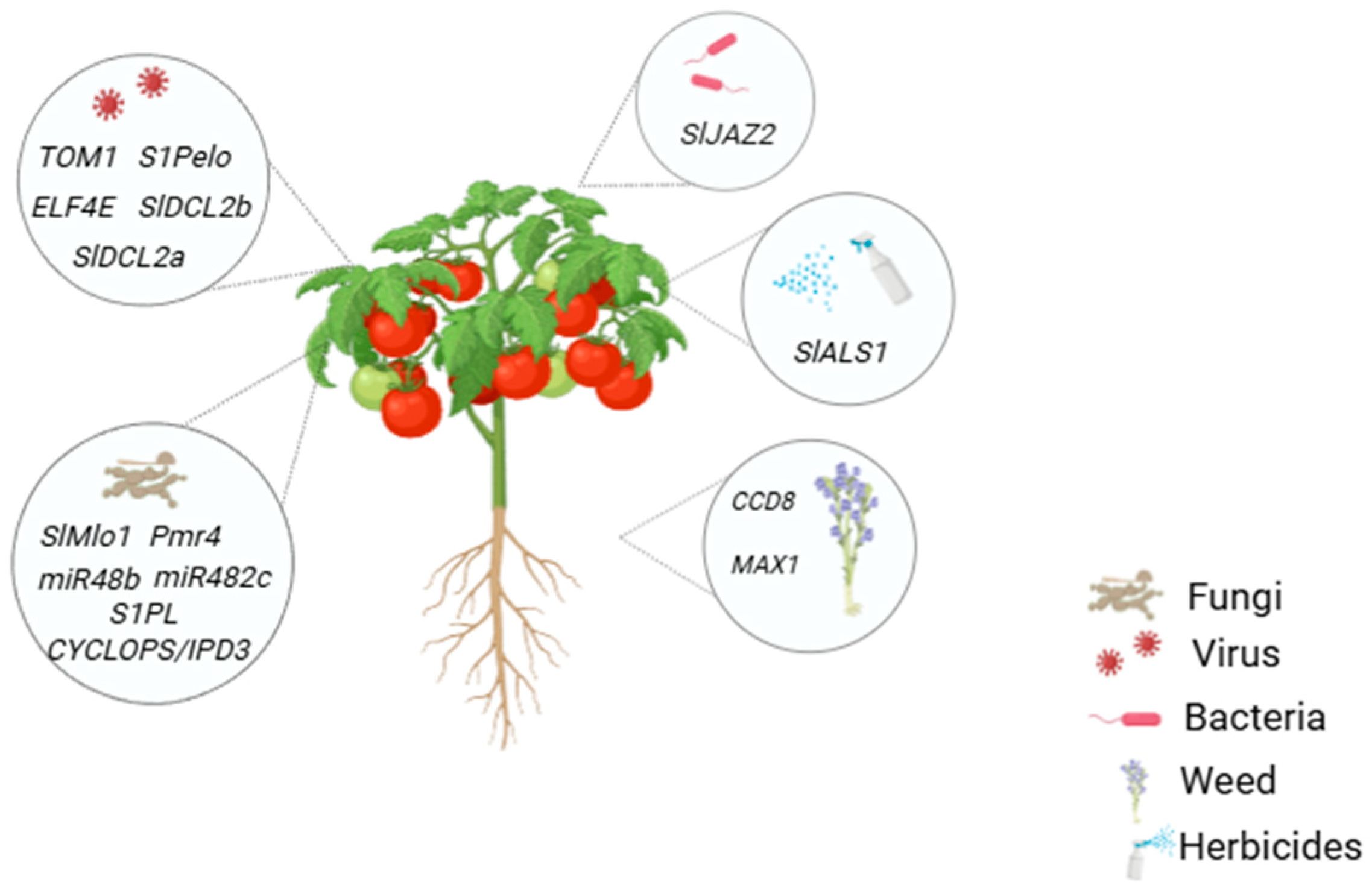
Introduction: Understanding CRISPR Gene Editing in Agriculture
Modern agriculture faces enormous challenges. Farmers must produce more food than ever before while dealing with climate change, plant diseases, pests, and limited farmland. Scientists are now exploring advanced technologies to solve these problems, and one of the most promising innovations is CRISPR gene editing in agriculture.
CRISPR technology allows researchers to precisely modify plant DNA. By editing specific genes, scientists can create crops that grow faster, resist diseases, tolerate drought, and provide higher nutritional value.
The use of CRISPR gene editing in agriculture has rapidly expanded in recent years because the technology is faster, cheaper, and more precise than traditional genetic engineering methods.
As global food demand continues to increase, many experts believe CRISPR will play a crucial role in ensuring food security for future generations.
How CRISPR Gene Editing in Agriculture Works
CRISPR gene editing works by targeting specific genes within the DNA of plants. Scientists use a molecule called guide RNA to locate a precise genetic sequence.
Once the target gene is identified, an enzyme called Cas9 cuts the DNA at that location.
After the cut is made, the plant’s natural repair mechanisms modify the DNA, allowing scientists to change genetic traits.
Key Components of CRISPR Gene Editing in Agriculture
The CRISPR system typically includes three main components:
- guide RNA that finds the target gene
- the Cas9 enzyme that cuts DNA
- cellular repair processes that modify the gene
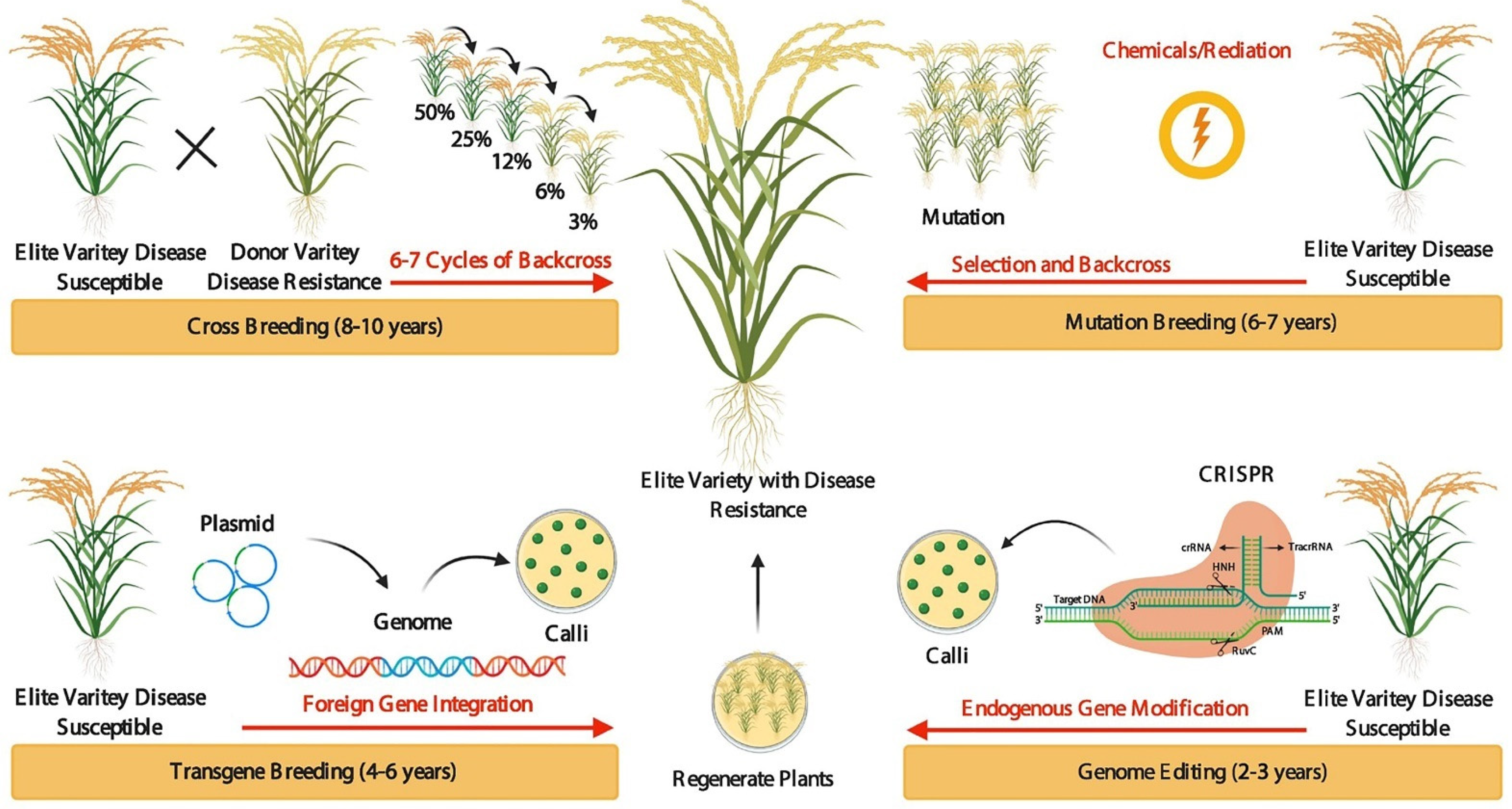
Why CRISPR Gene Editing Is Faster Than Traditional Breeding
Traditional plant breeding can take many years to produce improved crops.
CRISPR gene editing in agriculture allows scientists to introduce beneficial traits within a few months, dramatically accelerating crop improvement.
Improving Crop Yield Through CRISPR Gene Editing in Agriculture
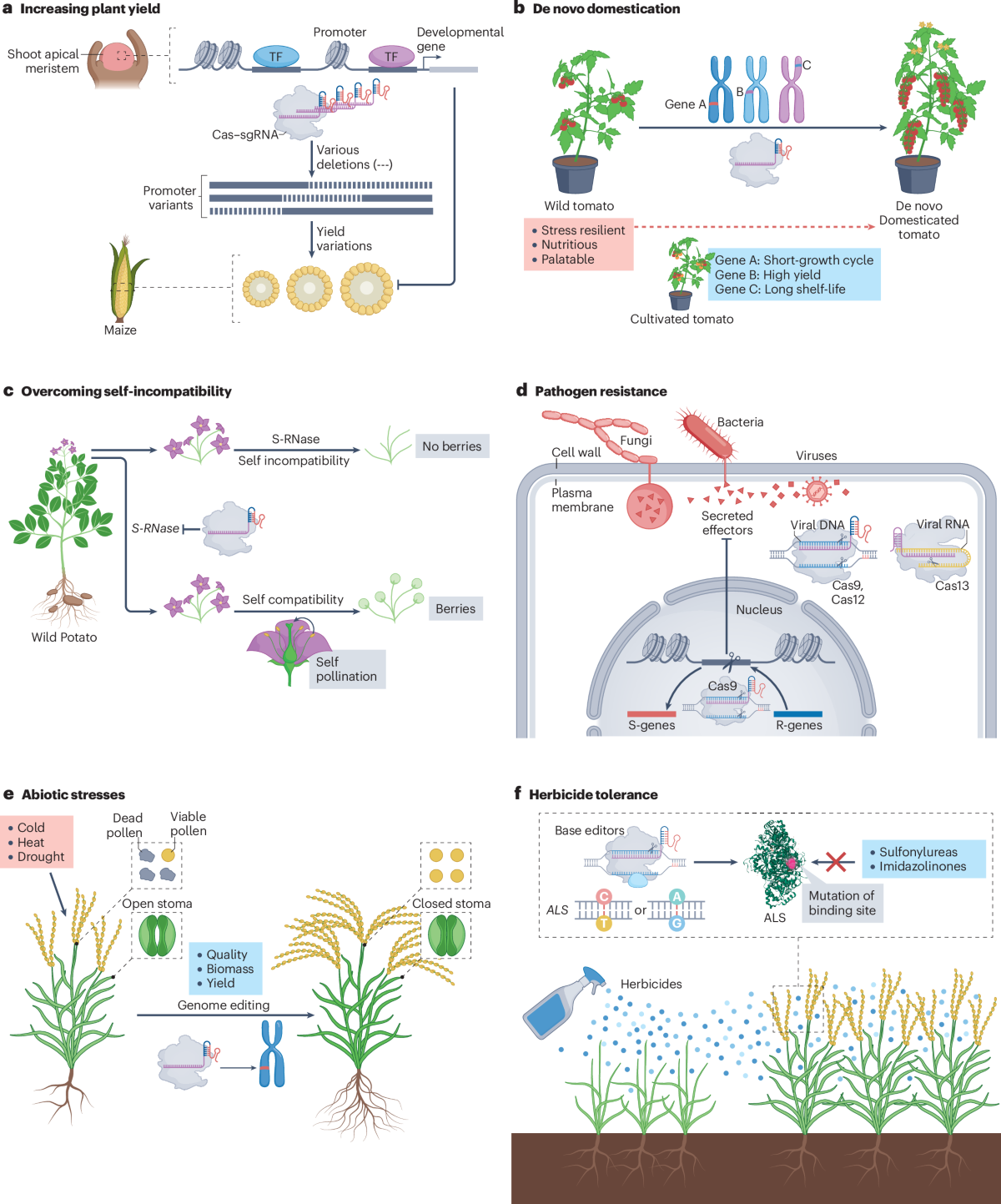
One of the most important goals of CRISPR gene editing in agriculture is increasing crop productivity.
Scientists are using CRISPR to modify genes that control plant growth and development.
Increasing Photosynthesis Efficiency
Researchers have discovered genes that regulate how efficiently plants convert sunlight into energy.
By editing these genes, scientists can increase photosynthesis efficiency, which leads to higher crop yields.
Developing High-Yield Rice and Wheat Varieties
Researchers have successfully used CRISPR to develop rice varieties that produce significantly higher yields.
These innovations could help farmers produce more food without expanding farmland.
Disease Resistance and CRISPR Gene Editing in Agriculture
Plant diseases cause billions of dollars in agricultural losses each year.
CRISPR technology allows scientists to create crops that are resistant to major plant diseases.
Protecting Crops From Fungal and Bacterial Diseases
Researchers have used CRISPR to modify genes that make plants vulnerable to pathogens.
By removing these genes, plants become more resistant to infections.
Example: Disease-Resistant Tomatoes
Scientists have successfully created tomato plants that resist bacterial diseases using CRISPR gene editing.
This innovation reduces the need for chemical pesticides.
Climate Resilience and CRISPR Gene Editing in Agriculture
Climate change has created new challenges for farmers worldwide.
Extreme weather conditions such as droughts, floods, and heatwaves can damage crops.
CRISPR gene editing in agriculture offers solutions for developing climate-resilient crops.
Developing Drought-Tolerant Crops
Scientists have identified genes that control how plants respond to water stress.
By editing these genes, researchers can develop crops that survive longer during droughts.
Heat-Resistant Crop Varieties
CRISPR technology is also being used to develop crops that can tolerate higher temperatures.
These crops may help farmers adapt to global warming.
Improving Nutritional Value Through CRISPR Gene Editing in Agriculture
CRISPR technology is not only improving crop yields but also enhancing nutritional value.
Scientists are editing plant genes to increase the concentration of vitamins and minerals.
Biofortified Crops
Biofortified crops contain higher levels of nutrients such as iron, zinc, and vitamin A.
These improvements can help combat malnutrition in developing countries.
Example: CRISPR-Enhanced Rice
Researchers are exploring ways to increase vitamin content in rice using CRISPR gene editing.
Such innovations could improve the diets of millions of people.
Reducing Pesticide Use With CRISPR Gene Editing in Agriculture
Chemical pesticides are widely used in agriculture to protect crops from insects and diseases.
However, excessive pesticide use can harm the environment and human health.
CRISPR gene editing in agriculture can help reduce reliance on pesticides.
Engineering Pest-Resistant Plants
Scientists are modifying plant genes to make crops naturally resistant to pests.
Environmental Benefits
Reducing pesticide use can:
- protect beneficial insects
- reduce soil contamination
- improve environmental sustainability
Ethical and Environmental Concerns of CRISPR Gene Editing in Agriculture
Despite its benefits, the use of CRISPR in agriculture also raises ethical questions.
Some critics worry about the long-term ecological effects of genetically edited crops.
Concerns About Ecosystem Impact
Gene-edited plants may interact with natural ecosystems in unpredictable ways.
Scientists must study these impacts carefully.
Public Perception of Gene Editing
Some consumers remain cautious about genetically modified foods.
Public education is essential for explaining the differences between CRISPR editing and traditional genetic modification.
Expert Perspective on CRISPR Gene Editing in Agriculture
According to CRISPR pioneer Jennifer Doudna, gene editing technology has enormous potential to improve agriculture.
“CRISPR technology offers powerful tools to develop crops that are more resilient, nutritious, and sustainable.”
Experts believe responsible use of CRISPR gene editing in agriculture could help address global food challenges.
Future of CRISPR Gene Editing in Agriculture
The future of CRISPR gene editing in agriculture looks promising.
Researchers are exploring new ways to use gene editing to improve crops and protect ecosystems.
Possible future developments include:
- crops that absorb more carbon dioxide
- plants that require less fertilizer
- climate-resilient agricultural systems
As research continues, CRISPR technology may become one of the most important tools for sustainable agriculture.
Case Studies of CRISPR Gene Editing in Agriculture
Case Study 1: CRISPR-Edited Tomatoes With Improved Shelf Life
One of the most widely cited examples of CRISPR gene editing in agriculture involves tomatoes. Scientists have used CRISPR technology to modify genes that control fruit ripening.
Traditional tomatoes often spoil quickly during transportation and storage. By editing specific genes responsible for ripening, researchers were able to create tomatoes that stay fresh for longer periods.
This breakthrough has several benefits:
- reduced food waste
- improved transportation of produce
- increased profits for farmers
- longer shelf life for consumers
Researchers also experimented with CRISPR technology to increase the nutritional value of tomatoes by boosting levels of beneficial compounds such as antioxidants.
The success of CRISPR-edited tomatoes demonstrates how CRISPR gene editing in agriculture can improve both crop quality and food supply chains.
Case Study 2: Disease-Resistant Rice Using CRISPR
Rice is one of the most important staple foods in the world, feeding billions of people every day. However, rice crops are highly vulnerable to bacterial and fungal diseases.
Scientists have used CRISPR gene editing in agriculture to develop rice varieties that are resistant to certain bacterial infections.
Researchers identified genes in rice plants that make them susceptible to bacterial blight, a disease that can destroy entire fields of rice crops.
Using CRISPR technology, scientists edited these susceptibility genes so that the bacteria could no longer infect the plant.
The results were promising:
- rice plants became resistant to disease
- crop losses were significantly reduced
- farmers required fewer pesticides
This case study demonstrates how CRISPR gene editing in agriculture can improve food security while reducing the environmental impact of chemical pesticides.
Case Study 3: CRISPR Wheat With Improved Yield
Wheat is another major global crop that scientists are improving using CRISPR technology.
Researchers studying CRISPR gene editing in agriculture discovered genes that regulate wheat grain size and production.
By editing these genes, scientists were able to produce wheat plants that generate larger grains and higher yields.
The potential benefits of this research include:
- increased global food production
- improved farmer income
- better resistance to environmental stress
With global food demand expected to increase dramatically in the coming decades, innovations like CRISPR-edited wheat could play a major role in ensuring sustainable agriculture.
Expert Interviews and Scientific Statistics on CRISPR Gene Editing in Agriculture
Interview With a CRISPR Pioneer on Agricultural Innovation
According to Jennifer Doudna, CRISPR technology has the potential to significantly transform agriculture.
In discussions about the future of CRISPR gene editing in agriculture, she emphasized that the technology can help scientists develop crops capable of adapting to climate change.
“Gene editing tools like CRISPR allow scientists to improve crops much more precisely than traditional breeding. This could play an important role in addressing global food challenges.”
Doudna has repeatedly highlighted that responsible development of CRISPR technologies can support sustainable farming and global food security.
Interview With a Biotechnology Research Leader
Another influential voice in gene editing research is Emmanuelle Charpentier. She has spoken about the importance of applying CRISPR technology responsibly in both medicine and agriculture.
In an interview discussing the impact of CRISPR gene editing in agriculture, she explained:
“CRISPR technology enables scientists to improve crops more quickly and efficiently. It provides an opportunity to address major agricultural challenges such as crop diseases and climate stress.”
Charpentier also emphasized that careful regulation and transparency are necessary when introducing gene-edited crops into the global food system.
Interview With a Leading Agricultural Geneticist
Prominent geneticist George Church has also discussed the potential of gene editing in agriculture.
Church has noted that CRISPR could dramatically accelerate the development of improved crops.
“With gene editing technologies, we can create crops that are more resilient, nutritious, and environmentally sustainable.”
His research suggests that CRISPR tools could significantly reduce the time required to develop new crop varieties.
Scientific Statistics From Research Journals
Scientific studies published in major journals highlight the rapid growth of CRISPR gene editing in agriculture.
Benefits of CRISPR Gene Editing in Agriculture
- Faster crop improvement
- Reduced pesticide use
- Improved crop yields
- Enhanced nutritional value
- Climate-resilient crops
Risks and Concerns
- ecological risks
- ethical debates
- regulatory challenges
- public acceptance issues
Global Research on CRISPR Gene Editing in Agriculture
Scientists around the world are studying CRISPR technology to improve crop production.
Major research programs exist in:
- United States
- China
- Japan
- European Union
- India
Organizations such as National Institutes of Health and Food and Agriculture Organization support research on gene editing technologies that improve food security.
Future Innovations in CRISPR Gene Editing in Agriculture
Researchers are exploring new technologies such as:
- CRISPR prime editing
- base editing
- precision genome engineering
These techniques may allow scientists to develop crops with extremely precise genetic improvements.
CRISPR vs Traditional Genetic Modification
| Feature | CRISPR | Traditional GMO |
|---|---|---|
| Precision | Very high | Moderate |
| Speed | Fast | Slow |
| Cost | Lower | Higher |
| Public acceptance | Increasing | Controversial |
Real-World Applications of CRISPR Gene Editing in Agriculture
CRISPR technology has already been used to develop:
- disease-resistant rice
- drought-tolerant maize
- improved tomatoes
- high-yield wheat
These developments demonstrate the practical benefits of CRISPR gene editing in agriculture.
Key Takeaways
- CRISPR technology is transforming modern agriculture.
- Scientists can create disease-resistant and climate-resilient crops.
- Ethical and environmental considerations remain important.
- Responsible regulation will shape the future of CRISPR farming.
Key Research Findings
- A study published in Nature Biotechnology reports that CRISPR gene editing can reduce plant breeding time by more than 70% compared to traditional breeding techniques.
- Research in the journal Science indicates that over 30 major crop species are currently being studied using CRISPR gene editing technologies.
- According to a review in Trends in Plant Science, scientists have already developed CRISPR-edited varieties of rice, wheat, maize, and tomatoes with improved agricultural traits.
- The global market for gene-edited crops is projected to reach more than $20 billion by 2035, according to biotechnology industry reports.
- Agricultural research institutions worldwide are conducting hundreds of CRISPR experiments aimed at improving crop resistance to diseases and climate stress.
Conclusion
CRISPR gene editing in agriculture is transforming the way scientists develop crops and address global food challenges. By precisely modifying plant genes, researchers can create crops that produce higher yields, resist diseases, tolerate climate stress, and provide better nutrition.
Although ethical and environmental concerns remain, responsible research and regulation can help ensure that CRISPR technology benefits farmers, consumers, and the environment.
As the global population continues to grow, innovations in CRISPR gene editing in agriculture may play a crucial role in securing the future of food production.