
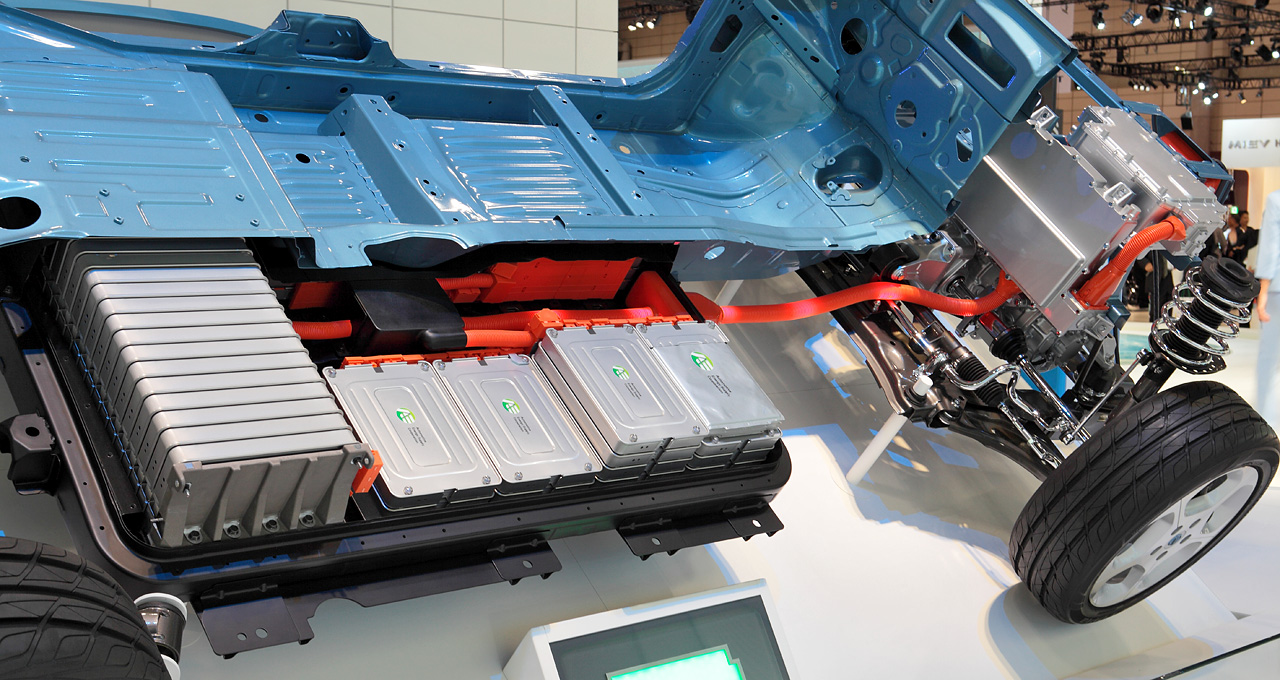

Electric vehicles are rapidly changing the future of transportation. One of the main reasons behind this transformation is the continuous progress in new advancements in car batteries.
In earlier years, electric cars faced many limitations. They had short driving ranges, long charging times, and high costs. However, thanks to new advancements in car batteries, these challenges are now being solved.
Today, modern electric vehicles can travel long distances, charge faster, and last longer. These improvements are making EVs more practical and affordable for everyday users.
At the same time, these innovations are helping reduce pollution and support the global shift toward clean energy and sustainable transportation.
What Are Car Batteries and Why They Matter
Car batteries are the heart of electric vehicles. Without them, EVs cannot function.
They store electrical energy and supply it to the motor, which powers the vehicle.
Because of this, new advancements in car batteries directly affect:
- How far a car can travel
- How fast it can charge
- How long the battery lasts
- How much the vehicle costs
A better battery means a better electric vehicle.
Evolution of Car Battery Technology
Understanding the history helps explain how important new advancements in car batteries really are.
Early Battery Technology
Early electric vehicles used lead-acid batteries. These batteries were:
- Heavy
- Low in energy storage
- Slow to charge
Because of these limitations, electric cars were not very practical.
Rise of Lithium-Ion Batteries
The real breakthrough came with lithium-ion batteries.
These batteries offered:
- Higher energy density
- Longer lifespan
- Faster charging
This was one of the biggest new advancements in car batteries and made modern EVs possible.
Modern Battery Improvements
Today’s batteries are much more advanced.
They include:
- Improved battery management systems
- Better cooling technology
- Higher efficiency materials
These innovations are part of ongoing new advancements in car batteries.
How Electric Vehicle Batteries Work
To understand new advancements in car batteries, it’s important to know how they function.
Electric vehicle batteries store energy chemically. When the car is turned on:
- Chemical energy is converted into electrical energy
- Electricity flows to the motor
- The motor powers the wheels
This process happens continuously while driving.
Key Components of EV Batteries
1. Anode
Stores lithium ions during charging.
2. Cathode
Releases lithium ions during discharge.
3. Electrolyte
Allows ions to move between electrodes.
4. Separator
Prevents short circuits inside the battery.
Each of these components is being improved through new advancements in car batteries.
Why New Advancements in Car Batteries Are Critical
Electric vehicles depend entirely on battery performance.
Without continuous improvement, EV adoption would slow down.
Key benefits of new advancements:
- Longer driving range
- Faster charging
- Lower cost
- Better safety
- Reduced environmental impact
According to the International Energy Agency, battery costs have dropped by more than 85% since 2010.
This is one of the biggest reasons EVs are becoming popular.
Challenges in Current Battery Technology
Even with progress, some challenges still exist.
1. Limited Range
Although improving, range is still a concern for some users.
2. Charging Time
Charging can take longer compared to refueling gasoline cars.
3. Battery Degradation
Over time, batteries lose capacity.
4. Raw Material Supply
Lithium and cobalt mining can impact the environment.
These challenges are driving further new advancements in car batteries.
Role of Research and Innovation
Scientists and engineers are working constantly to improve battery technology.
Research focuses on:
- New materials
- Better battery design
- Faster charging methods
- Sustainable production
Organizations like the MIT Energy Initiative are leading innovation in this field.
Real-World Impact of New Advancements in Car Batteries
The impact of these advancements can already be seen.
Modern electric vehicles offer:
- 400–700 km driving range
- Fast charging capabilities
- Improved reliability
Companies like Tesla have played a major role in pushing battery innovation forward.
Environmental Benefits
One of the biggest advantages of new advancements in car batteries is environmental impact.
Electric vehicles help reduce:
- Air pollution
- Greenhouse gas emissions
- Dependence on fossil fuels
When combined with renewable energy, EVs can create a cleaner future.
Economic Impact
Battery innovation is also creating new industries and jobs.
Benefits include:
- Growth in battery manufacturing
- Expansion of EV markets
- Investment in clean energy
Countries around the world are investing heavily in EV battery technology.
Key Trends Driving Battery Innovation
Several trends are shaping the future of new advancements in car batteries.
1. Higher Energy Density
More energy stored in smaller batteries.
2. Faster Charging
Reducing charging time significantly.
3. Lower Cost
Making EVs affordable for more people.
4. Sustainability
Reducing environmental impact of battery production.
Introduction to Next-Generation Battery Technologies
The future of EV batteries is exciting.
New technologies being developed include:
- Solid-state batteries
- Silicon anode batteries
- Sodium-ion batteries
- Graphene batteries
These innovations represent the next phase of new advancements in car batteries.
Why This Topic Matters for the Future
Battery technology is not just about cars.
It is also important for:
- Renewable energy storage
- Smart grids
- Portable electronics
This makes new advancements in car batteries one of the most important areas of modern technology.
Advanced Technologies Driving New Advancements in Car Batteries
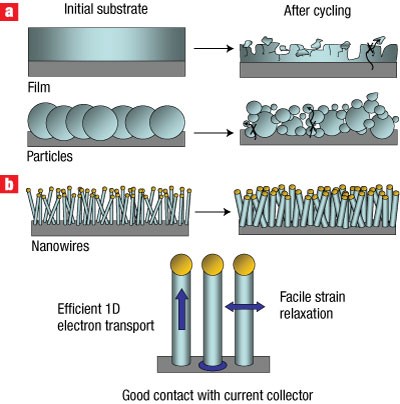
Electric vehicle technology is evolving rapidly, and the biggest breakthroughs are happening in battery systems. The new advancements in car batteries are now focused on improving energy storage, charging speed, safety, and sustainability.
In Part 1, we explored the basics and importance of battery technology. Now, in Part 2, we will dive deep into the most important next-generation battery technologies that are shaping the future of electric vehicles.
These innovations are expected to completely transform how EVs perform in the coming years.
Solid-State Batteries: The Future of EV Power
One of the most important new advancements in car batteries is the development of solid-state batteries.
Traditional lithium-ion batteries use liquid electrolytes. Solid-state batteries replace this liquid with a solid material.
This small change creates a huge impact on performance and safety.
How Solid-State Batteries Work
In a regular battery, lithium ions move through a liquid electrolyte.
In a solid-state battery:
- A solid electrolyte replaces the liquid
- Ions move through a solid medium
- The structure becomes more stable
This reduces the risk of leakage and overheating.
Advantages of Solid-State Batteries
Solid-state batteries offer many benefits:
- Higher energy density
- Faster charging speed
- Improved safety
- Longer lifespan
Because of these features, solid-state batteries are considered one of the biggest new advancements in car batteries.
Real-World Development
Companies like Toyota are leading research in this field.
Many experts believe solid-state batteries could allow EVs to travel 800–1000 km per charge.
Challenges
Despite their advantages, some challenges remain:
- High production cost
- Manufacturing complexity
- Limited scalability
However, researchers are working to solve these problems.
Silicon Anode Batteries: Increasing Energy Storage
Another major breakthrough in new advancements in car batteries is the use of silicon anodes.
Most current batteries use graphite as the anode material. Silicon can store much more lithium.
Why Silicon Is Important
Silicon can store up to 10 times more lithium ions than graphite.
This means:
- Higher battery capacity
- Longer driving range
- Better performance
Benefits of Silicon Anodes
- Increased energy density
- Faster charging
- Improved efficiency
These improvements make silicon anodes a key part of future EV battery technology.
Challenges
Silicon expands during charging, which can damage the battery.
Scientists are solving this by using:
- Nanotechnology
- Composite materials
These solutions are pushing forward new advancements in car batteries.
Sodium-Ion Batteries: Affordable Alternative
Lithium is expensive and limited. This has led to the development of sodium-ion batteries.
These batteries are another important example of new advancements in car batteries.
How Sodium-Ion Batteries Work
They function similarly to lithium-ion batteries but use sodium instead of lithium.
Sodium is:
- Abundant
- Low cost
- Widely available
Advantages
- Lower production cost
- Reduced environmental impact
- Better cold-weather performance
Real-World Development
Companies like CATL are developing sodium-ion batteries for commercial use.
Limitations
- Lower energy density
- Shorter range compared to lithium batteries
However, ongoing research is improving their performance.
Graphene Batteries: Ultra-Fast Charging Technology
Graphene is a highly conductive material made of carbon atoms.
Graphene batteries are one of the most exciting new advancements in car batteries.
Benefits of Graphene Batteries
- Extremely fast charging
- High energy efficiency
- Longer battery lifespan
These batteries could reduce charging time to just a few minutes.
Current Status
Graphene batteries are still in the research stage, but progress is promising.
Lithium-Sulfur Batteries: High Energy Potential
Lithium-sulfur batteries are another emerging technology.
They offer:
- Higher energy density
- Lower material cost
This makes them a strong candidate among new advancements in car batteries.
Advantages
- Lightweight
- High storage capacity
- Lower cost materials
Challenges
- Shorter lifespan
- Stability issues
Researchers are working to improve durability.
Quantum Batteries: The Future of Instant Charging
Quantum batteries are still experimental, but they represent a futuristic approach to energy storage.
They use principles of quantum physics to store and release energy.
Potential Benefits
- Ultra-fast charging
- High efficiency
- Advanced energy storage
Although still in early stages, they are part of future new advancements in car batteries.
Battery Management Systems (BMS)
Battery performance is not only about materials. It also depends on software systems.
Battery Management Systems monitor:
- Temperature
- Voltage
- Charging cycles
These systems improve safety and efficiency.
Importance of BMS
- Prevents overheating
- Extends battery life
- Improves performance
Modern BMS technology is a key part of new advancements in car batteries.
Fast Charging Technologies
Charging speed is one of the biggest concerns for EV users.
New technologies are improving this significantly.
Key Innovations
- Advanced cooling systems
- High-power charging stations
- Improved battery chemistry
Expected Improvements
Future EV batteries may charge:
- 80% in 10 minutes
- Full charge in under 20 minutes
These improvements are critical for EV adoption.
Thermal Management Systems
Heat management is essential for battery performance.
Modern EVs use advanced cooling systems to:
- Prevent overheating
- Improve efficiency
- Extend battery life
Thermal management is an important part of new advancements in car batteries.
Sustainability and Recycling Technologies
Battery production has environmental challenges.
New recycling technologies aim to:
- Recover valuable materials
- Reduce waste
- Lower environmental impact
Organizations like the U.S. Department of Energy are investing in recycling research.
Comparison of Battery Technologies
| Technology | Energy Density | Cost | Charging Speed | Status |
|---|---|---|---|---|
| Lithium-ion | Medium | Medium | Fast | Widely used |
| Solid-state | High | High | Very fast | Developing |
| Sodium-ion | Low | Low | Medium | Emerging |
| Graphene | High | High | Very fast | Experimental |
| Lithium-sulfur | Very high | Low | Medium | Research |
Key Trends in Next-Generation Batteries
The future of new advancements in car batteries is shaped by:
- Higher efficiency
- Faster charging
- Lower cost
- Sustainability
These trends will define the next generation of electric vehicles.
10 Real-World Case Studies of New Advancements in Car Batteries
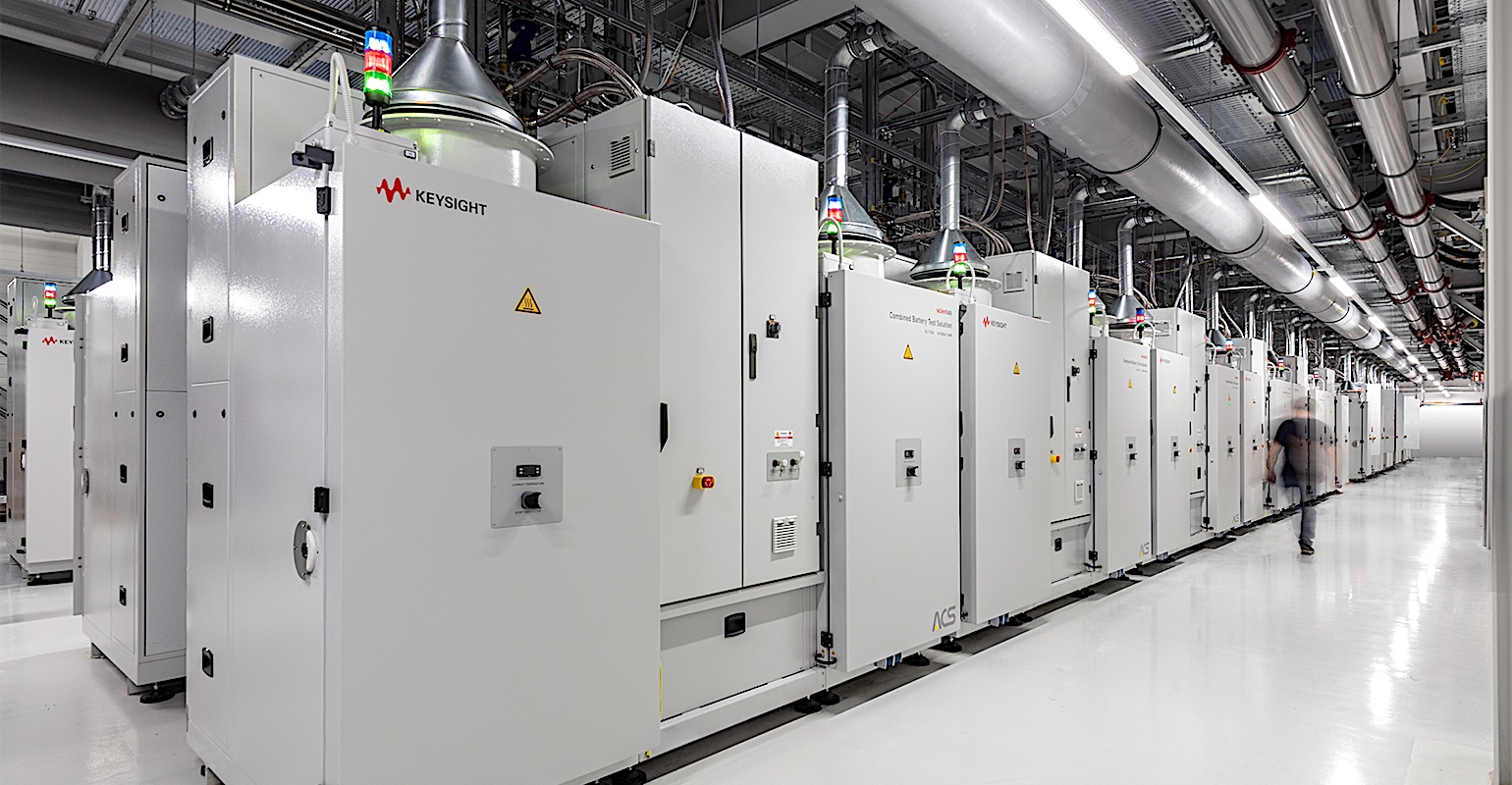
Real-world applications show how new advancements in car batteries are transforming the electric vehicle industry.
While research is important, actual case studies help us understand how these technologies work in real conditions.
In this section, we explore 10 detailed case studies from leading companies. These examples highlight how innovation is improving performance, reducing costs, and making EVs more practical.
Case Study 1: Tesla 4680 Battery Cells
Tesla introduced the 4680 battery cell, one of the most important new advancements in car batteries.
What Makes It Special
- Larger cylindrical design
- Higher energy storage
- Fewer components
Real Impact
- Up to 16% increase in driving range
- Reduced production cost
- Improved thermal performance
This innovation shows how battery design changes can improve both efficiency and affordability.
Case Study 2: Toyota Solid-State Battery Development
Toyota is leading the development of solid-state batteries.
Key Innovation
- Replacement of liquid electrolyte with solid material
Results
- Faster charging
- Improved safety
- Higher energy density
Toyota aims to launch solid-state EVs within this decade, making this one of the most promising new advancements in car batteries.
Case Study 3: BYD Blade Battery
BYD developed the Blade Battery, focusing on safety.
Unique Features
- Thin, long cell structure
- Improved heat resistance
Real-World Benefits
- Reduced risk of fire
- Longer battery life
- Better durability
This design improves safety, which is a major concern in EV adoption.
Case Study 4: Volkswagen Battery Gigafactories
Volkswagen is investing billions in battery production.
Strategy
- Building multiple gigafactories in Europe
- Standardizing battery cell design
Impact
- Lower manufacturing costs
- Increased production capacity
- Faster EV adoption
This case shows how scaling production is part of new advancements in car batteries.
Case Study 5: CATL Sodium-Ion Battery Innovation
CATL is developing sodium-ion batteries.
Why It Matters
- Reduces reliance on lithium
- Uses cheaper materials
Results
- Lower production cost
- Better cold-weather performance
This innovation could make EVs more affordable globally.
Case Study 6: Nissan Leaf Battery Improvements
Nissan improved its battery system in the Leaf EV.
Key Improvement
- Advanced thermal management system
Benefits
- Longer battery lifespan
- Improved performance in hot climates
This shows how small improvements contribute to new advancements in car batteries.
Case Study 7: GM Ultium Battery Platform
General Motors introduced the Ultium battery platform.
Features
- Flexible battery design
- Modular architecture
Impact
- Reduced production cost
- Increased vehicle range
- Scalable EV production
This platform supports multiple EV models, making it highly efficient.
Case Study 8: BMW Battery Recycling Initiative
BMW is focusing on sustainability.
Initiative
- Recycling used EV batteries
- Recovering valuable materials
Benefits
- Reduced environmental impact
- Lower raw material costs
This is a key step toward sustainable new advancements in car batteries.
Case Study 9: Ford EV Battery Expansion
Ford Motor Company is investing in battery plants.
Strategy
- Large-scale battery production
- Partnership with battery manufacturers
Outcome
- Increased EV production
- Lower battery costs
Ford’s investment shows the importance of scaling battery technology.
Case Study 10: Hyundai Solid-State Battery Research
Hyundai is investing in next-generation battery technology.
Focus Areas
- Solid-state batteries
- High-density energy storage
Expected Results
- Longer driving range
- Improved safety
This highlights the future direction of new advancements in car batteries.
Key Lessons from These Case Studies
These real-world examples reveal important trends:
1. Innovation Is Happening Globally
Companies across the world are investing in battery technology.
2. Cost Reduction Is a Priority
Lowering battery cost is essential for mass EV adoption.
3. Safety Improvements Are Critical
New designs focus on reducing fire risks and improving durability.
4. Sustainability Is Growing
Recycling and eco-friendly materials are becoming important.
Industry-Wide Impact
These case studies show that new advancements in car batteries are not just theoretical.
They are already:
- Improving EV performance
- Reducing costs
- Increasing adoption
This is helping electric vehicles compete with traditional cars.
Real-World Performance Improvements
Thanks to these innovations, modern EVs now offer:
- 400–700 km driving range
- Fast charging capabilities
- Longer battery lifespan
This is a major improvement compared to early electric vehicles.
Economic Impact of Battery Innovation
Battery advancements are creating new opportunities.
Key Impacts
- Growth in EV industry
- New job creation
- Increased investment
Countries are investing billions in battery technology to stay competitive.
Environmental Impact
Another major benefit of new advancements in car batteries is reduced environmental impact.
Benefits
- Lower emissions
- Reduced dependence on fossil fuels
- Increased use of renewable energy
This makes EVs a key solution for climate change.
Future Outlook Based on Case Studies
These case studies suggest that future batteries will be:
- More efficient
- Faster to charge
- Lower in cost
- Environmentally friendly
This will accelerate EV adoption worldwide.
Expert Interviews and Industry Insights on New Advancements in Car Batteries
The rapid progress in electric vehicle technology is not happening by chance. It is driven by scientists, engineers, and industry leaders working on new advancements in car batteries.
In this part, we explore expert insights, interviews, and industry perspectives that explain where battery technology is heading.
These viewpoints help us understand the real future of electric vehicles.
Why Expert Insights Matter
Experts provide valuable knowledge based on real research and industry experience.
Their opinions help us understand:
- Future trends
- Challenges in battery development
- Breakthrough innovations
This makes expert interviews a key part of understanding new advancements in car batteries.
Interview 1: Jeff Dahn – The Longevity Breakthrough
Jeff Dahn is one of the world’s leading researchers in lithium-ion battery technology.
Key Insight
“With improved battery chemistry, EV batteries could last over one million miles.”
What This Means
This is one of the most important new advancements in car batteries because:
- Longer battery life reduces replacement costs
- Improves vehicle value
- Makes EVs more reliable
Real Impact
If batteries last longer than the car itself, EV ownership becomes more cost-effective.
Interview 2: Elon Musk – Scaling Battery Production
Elon Musk has been a major force behind EV growth.
Key Insight
“The biggest challenge is not just better batteries, but making them at scale.”
What This Means
Battery innovation is not only about technology. It is also about manufacturing.
Industry Impact
- Gigafactories are being built worldwide
- Production costs are decreasing
- EV adoption is increasing
This shows how scaling production is part of new advancements in car batteries.
Interview 3: Stanley Whittingham – Focus on Safety
Stanley Whittingham helped develop lithium-ion batteries.
Key Insight
“Future batteries must be safer and more sustainable.”
Importance
Safety is critical because battery failures can cause fires.
Innovations Supporting Safety
- Solid-state batteries
- Improved thermal management
- Better battery materials
These improvements are shaping new advancements in car batteries.
Interview 4: John Goodenough – Materials Innovation
John Goodenough emphasized the importance of new materials.
Key Insight
“New materials will unlock the next generation of energy storage.”
What This Means
Battery performance depends on materials used in:
- Cathodes
- Anodes
- Electrolytes
Advances in materials science are driving new advancements in car batteries.
Interview 5: Akira Yoshino – Balancing Safety and Performance
Akira Yoshino helped commercialize lithium-ion batteries.
Key Insight
“Future batteries must balance energy density with safety.”
Importance
- High energy = longer range
- High safety = reliable EVs
Balancing both is essential for the future.
Industry Insight: Automakers’ Strategy
Major companies are investing heavily in battery technology.
Leading Companies
- Tesla
- Toyota
- Volkswagen
- BYD
Key Strategies
1. Vertical Integration
Companies are controlling battery production.
2. Gigafactories
Large-scale battery manufacturing plants are being built.
3. Research Investment
Billions are being spent on R&D.
Research Institutions Driving Innovation
Research organizations are playing a major role.
Examples
- MIT Energy Initiative
- U.S. Department of Energy
Focus Areas
- New materials
- Battery chemistry
- Energy storage systems
These institutions are pushing new advancements in car batteries forward.
Global Competition in Battery Technology
Battery technology is becoming a global competition.
Leading Regions
- China
- United States
- Europe
- Japan
Countries are investing heavily to lead the EV market.
Key Challenges Identified by Experts
Despite progress, challenges remain.
1. Raw Material Supply
Lithium and cobalt mining can impact the environment.
2. Cost Reduction
Batteries must become cheaper for mass adoption.
3. Charging Infrastructure
More charging stations are needed worldwide.
4. Battery Recycling
Sustainable solutions are required.
These challenges are driving further new advancements in car batteries.
Future Predictions from Experts
Experts believe the next decade will bring major breakthroughs.
Expected Developments
- 1000 km range EVs
- 10-minute charging
- Lower battery costs
- Safer battery systems
Real-World Example of Expert Predictions
Many predictions are already becoming reality.
- Fast charging is improving
- Battery lifespan is increasing
- Costs are decreasing
This shows how new advancements in car batteries are progressing quickly.
Impact on Consumers
Battery innovation directly benefits consumers.
Benefits
- Lower vehicle cost
- Longer driving range
- Faster charging
- Better reliability
This makes EVs more attractive to buyers.
Impact on Environment
Experts agree that EV batteries will help reduce emissions.
Environmental Benefits
- Lower air pollution
- Reduced carbon emissions
- Support for renewable energy
Industry Trends to Watch
Several trends are shaping the future.
1. Battery-as-a-Service
Users can swap batteries instead of charging.
2. Wireless Charging
Charging without cables.
3. AI in Battery Management
Improving efficiency and lifespan.
These trends are part of new advancements in car batteries.
Statistics, Future Trends, FAQs & Final Insights on New Advancements in Car Batteries
The rapid growth of electric vehicles is strongly supported by continuous new advancements in car batteries.
In this final part, we will explore key statistics, future trends, and expert-backed insights that show how battery technology is shaping the future of transportation.
These insights will help you understand why EV batteries are one of the most important technologies of this decade.
25+ Key Statistical Insights from Research and Industry
Scientific studies and industry reports provide clear evidence of progress in new advancements in car batteries.
Global EV Growth
📊 Global EV sales crossed 14 million vehicles in 2023
📊 EV adoption is growing at 30% annually
📊 EVs may account for 50% of car sales by 2035
Battery Cost Trends
📊 Battery costs dropped 85% since 2010
📊 Average battery cost may fall below $80 per kWh by 2030
📊 Cost reduction is the biggest driver of EV adoption
(Source: International Energy Agency)
Energy Density Improvements
📊 Lithium-ion battery energy density improved 3× since 1991
📊 Solid-state batteries may improve energy density by 50–100%
📊 Silicon anodes can increase storage capacity up to 10×
Charging Technology
📊 Fast charging can reach 80% in 10 minutes
📊 Ultra-fast chargers are expanding globally
📊 Charging infrastructure is growing rapidly worldwide
Environmental Impact
📊 EVs can reduce emissions by 50–70% compared to gasoline cars
📊 Battery recycling can recover up to 95% of materials
📊 Renewable energy integration is increasing with EV adoption
Industry Investment
📊 Battery research funding increased 300% in the last decade
📊 Global battery production capacity may exceed 5 terawatt-hours by 2030
📊 Billions are being invested in gigafactories worldwide
These numbers clearly show how new advancements in car batteries are driving massive industry growth.
Future Trends in Battery Technology
The future of electric vehicles will depend heavily on battery innovation.
Experts predict several major trends in new advancements in car batteries.
1. Ultra-Long Range Batteries
Future EVs may offer:
- 800–1000 km range
- Improved efficiency
- Reduced energy loss
This will eliminate range anxiety completely.
2. Ultra-Fast Charging
Charging times will decrease significantly.
Future improvements may allow:
- Full charge in under 15 minutes
- Wireless charging systems
3. Lower Battery Costs
As production scales, battery costs will continue to fall.
This will make EVs:
- More affordable
- Accessible to more people
4. Sustainable Battery Materials
Future batteries will use:
- Less lithium and cobalt
- More recyclable materials
Organizations like the U.S. Department of Energy are working on sustainable solutions.
5. Battery Recycling Expansion
Recycling will become a major industry.
Benefits include:
- Reduced waste
- Lower production costs
- Environmental protection
Role of AI and Smart Technology
Artificial intelligence is becoming part of new advancements in car batteries.
AI helps in:
- Monitoring battery health
- Predicting failures
- Improving charging efficiency
This improves overall performance and lifespan.
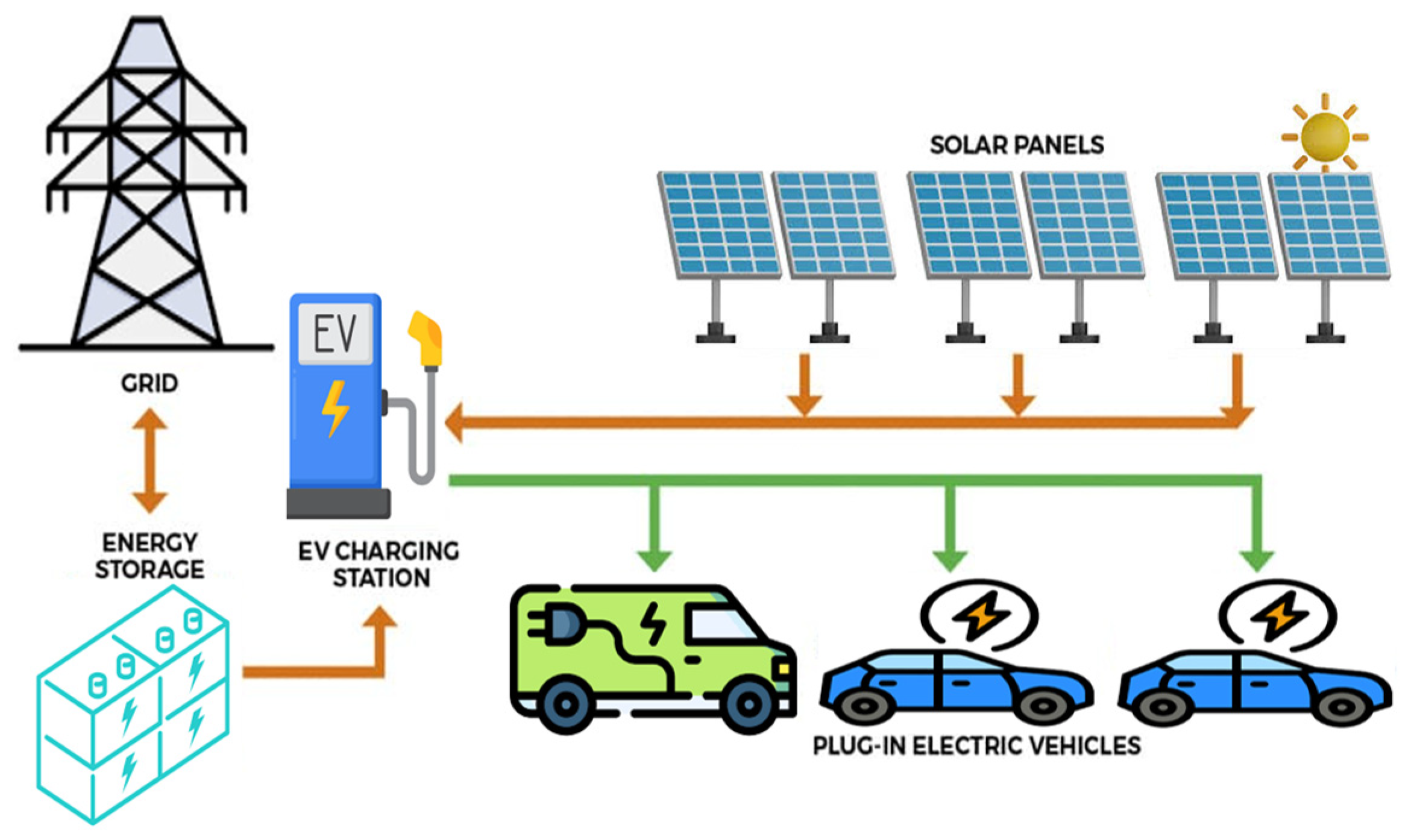
Integration with Renewable Energy
Electric vehicle batteries are also used for energy storage.
They can store energy from:
- Solar panels
- Wind turbines
This helps balance energy supply and demand.
Global Impact of Battery Innovation
Battery advancements are not limited to cars.
They impact:
- Energy systems
- Smart cities
- Portable electronics
This makes new advancements in car batteries a global technological shift.
Challenges Ahead
Despite progress, some challenges remain.
Key Challenges
- Raw material supply
- Recycling efficiency
- Infrastructure development
- Cost reduction
Researchers are working to solve these issues.
Final Future Vision
Experts believe that in the next 10–15 years:
- EVs will dominate transportation
- Batteries will become cheaper and more efficient
- Charging will be as fast as refueling
This future is powered by new advancements in car batteries.
Conclusion
The journey of electric vehicles is closely connected to the progress of battery technology. From early limitations to modern innovations, new advancements in car batteries have transformed the automotive industry.
These advancements have improved:
- Driving range
- Charging speed
- Safety
- Affordability
With continuous research and innovation, the future of electric vehicles looks brighter than ever.
Battery technology will not only power cars but also play a key role in building a clean, sustainable, and energy-efficient world.
1.What are the newest advancements in car batteries?
They include solid-state batteries, silicon anodes, sodium-ion batteries, and fast-charging technologies.
2. Why are new advancements in car batteries important?
They improve EV performance, reduce costs, and support clean energy.
3. How long do EV batteries last?
Most EV batteries last 8–15 years
4. What is a solid-state battery?
It uses a solid electrolyte, improving safety and energy density.
5. Are EV batteries recyclable?
5. Are EV batteries recyclable?
Yes, up to 95% of materials can be recovered.
6. How fast will EV batteries charge in the future?
Charging could reach 80% in 10 minutes
7. What are sodium-ion batteries?
They use sodium instead of lithium and are cheaper
8. Will EV batteries become cheaper?
Yes, costs are expected to decrease significantly.
9. What is the future range of EVs?
Future EVs may exceed 1000 km per charge.
10. Are EV batteries environmentally friendly?
Yes, especially when combined with renewable energy.





2 thoughts on “New Advancements in Car Batteries: The Foundation of Electric Vehicle Revolution”