Electric vehicles are becoming more popular every year. A major reason for this growth is the efficiency of battery technology. To understand this better, we need to learn how lithium-ion batteries work in electric vehicles.
Lithium-ion batteries are the most commonly used batteries in EVs today. They power everything from small electric scooters to high-performance electric cars.
Understanding how lithium ion batteries work in electric vehicles helps you see why EVs are efficient, reliable, and environmentally friendly.
What Is a Lithium-Ion Battery?
A lithium-ion battery is a rechargeable battery that stores energy chemically.
It works by moving lithium ions between two electrodes:
Anode (negative side)
Cathode (positive side)
This movement of ions creates electrical energy that powers the vehicle.
Why Lithium-Ion Batteries Are Used in EVs
Lithium-ion batteries are widely used because they offer several advantages:
High energy density
Long lifespan
Lightweight design
Fast charging capability
These features make them ideal for electric vehicles.
Basic Working Principle
To understand how lithium ion batteries work in electric vehicles, let’s break it into simple steps.
Charging Phase
When you plug in an EV:
Electricity flows into the battery
Lithium ions move from cathode to anode
Energy is stored inside the battery
Discharging Phase (Driving)
When the car is running:
Lithium ions move back to the cathode
This movement generates electricity
The motor uses this electricity to move the car
Key Components of Lithium-Ion Batteries
Understanding the components is important when learning how lithium ion batteries work in electric vehicles.
1. Anode
The anode stores lithium ions during charging.
It is usually made of graphite.
2. Cathode
The cathode releases lithium ions during discharge.
Types, Chemistry, and Performance of Lithium-Ion Batteries in EVs
4
In Part 1, we learned how lithium ion batteries work in electric vehicles. Now, let’s go deeper into the types of lithium-ion batteries, their chemical differences, and how they affect EV performance.
Understanding battery types is important because not all EV batteries are the same. Different chemistries offer different benefits such as longer range, better safety, or lower cost.
Main Types of Lithium-Ion Batteries Used in EVs
There are several types of lithium-ion batteries used in electric vehicles. Each type has its own strengths.
1. Lithium Nickel Manganese Cobalt (NMC)
NMC batteries are widely used in electric cars.
Features
High energy density
Good balance of performance and cost
Suitable for long-range EVs
Use Case
Many EV manufacturers use NMC batteries because they offer strong overall performance.
2. Lithium Iron Phosphate (LFP)
LFP batteries are becoming very popular.
Features
Lower cost
Longer lifespan
High safety
Limitation
Slightly lower energy density
Companies like BYD use LFP batteries in many vehicles.
3. Lithium Nickel Cobalt Aluminum (NCA)
NCA batteries are known for high energy output.
Features
Very high energy density
Long driving range
High performance
Use Case
Tesla uses NCA batteries in some of its models.
4. Lithium Manganese Oxide (LMO)
LMO batteries offer good safety and thermal stability.
Features
Fast charging
Good safety
Moderate performance
Why Battery Chemistry Matters
Battery chemistry determines how the battery behaves.
It affects:
Energy density
Charging speed
Lifespan
Cost
This is why battery chemistry plays a major role in how lithium ion batteries work in electric vehicles.
Energy Density Explained
Energy density tells us how much energy a battery can store.
Higher Energy Density =
Longer driving range
Better performance
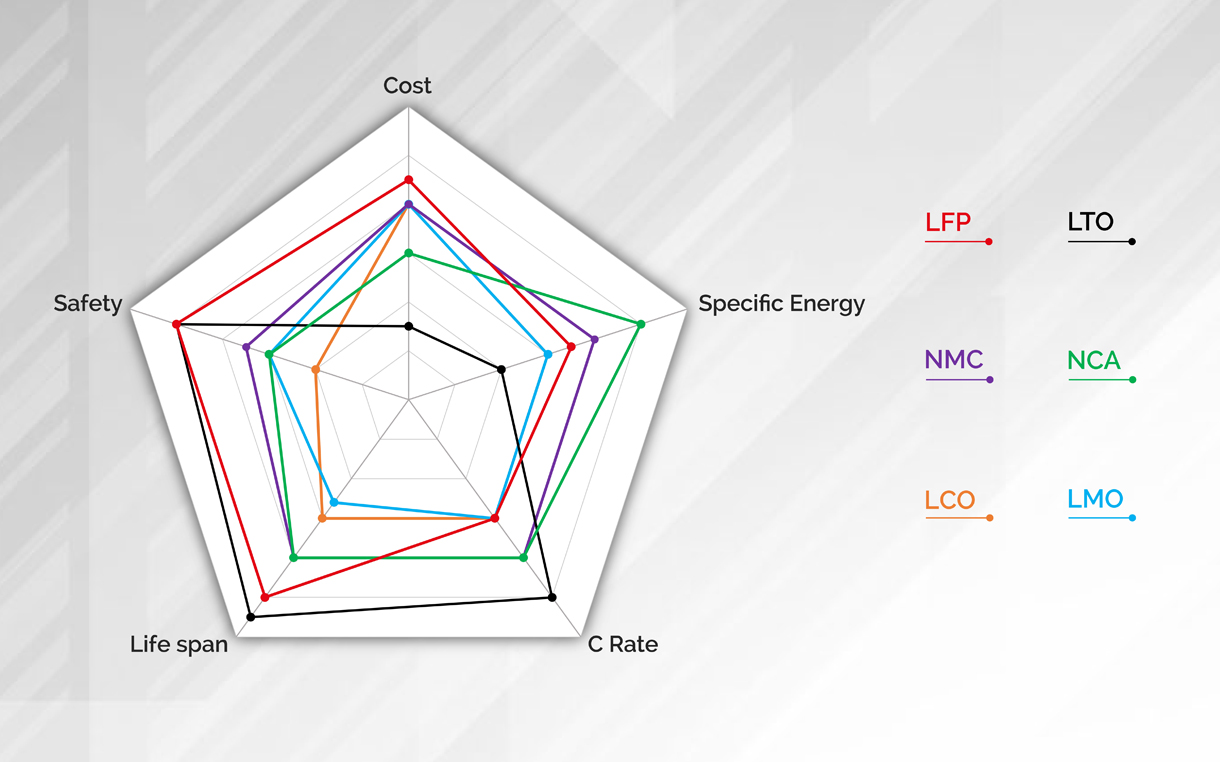
NCA and NMC batteries have higher energy density compared to LFP.
Charging Speed and Performance
Different battery types charge at different speeds.
Fast Charging Batteries
LMO
NMC
Long-Life Batteries
LFP
Battery improvements are part of ongoing new advancements in car batteries.
Battery Lifespan Comparison
Battery lifespan is measured in charge cycles.
Typical Lifespan
LFP: 3000–5000 cycles
NMC: 1000–2000 cycles
NCA: 1500–2000 cycles
This shows why LFP batteries are used in affordable EVs.
Battery Pack Structure
Lithium-ion batteries in EVs are not a single unit.
They are made of:
Cells
Modules
Battery pack
Thousands of small cells are combined to form a powerful battery pack.
Example: EV Battery Pack
Electric vehicles from Nissan use modular battery packs.
This design helps:
Improve efficiency
Simplify maintenance
Enhance safety
Thermal Management in Batteries
Temperature control is very important.
If batteries overheat, performance drops.
Cooling Methods
Liquid cooling systems
Air cooling systems
These systems are essential in how lithium ion batteries work in electric vehicles.
Battery Degradation
Over time, batteries lose capacity.
Causes
Repeated charging cycles
High temperatures
Fast charging
Impact
Reduced driving range
Lower efficiency
How Manufacturers Improve Battery Performance
Companies are constantly improving batteries through:
Better materials
Advanced cooling systems
Smart software (BMS)
These improvements are part of new advancements in car batteries.
Safety in Different Battery Types
Safety is a key concern in EV batteries.
Safest Battery Type
LFP (very stable)
High Performance but Needs Control
NCA
NMC
Modern EVs include safety systems to prevent failures.
Cost Comparison of Battery Types
Battery cost depends on materials used.
Lower Cost
LFP
Higher Cost
NCA
NMC
Reducing cost is a major goal of new advancements in car batteries.
Real-World Performance Comparison
Battery Type
Range
Cost
Safety
Lifespan
NMC
High
Medium
Good
Medium
LFP
Medium
Low
Very High
Long
NCA
Very High
High
Medium
Medium
LMO
Medium
Medium
Good
Medium
Future Improvements in Lithium-Ion Batteries
Even lithium-ion batteries are evolving.
Future improvements include:
Higher energy density
Faster charging
Better safety
These improvements are part of new advancements in car batteries.
Link to Future Technologies
Lithium-ion batteries are just the beginning.
Future technologies like:
Solid-state batteries
Silicon anodes
Sodium-ion batteries
will further improve EV performance.
Internal Linking Opportunity
👉 Link this article to your pillar post using: new advancements in car batteries
Charging, Lifespan, and Real-World Use of Lithium-Ion Batteries in EVs
In Part 1 and Part 2, we explained how lithium ion batteries work in electric vehicles and explored different battery types.
Now, in Part 3, we will focus on charging, battery lifespan, real-world usage, and maintenance. These factors are very important for every EV owner.
Understanding these topics will help you use your electric vehicle more efficiently and extend battery life.
How Charging Works in EV Batteries
Charging is a key part of how lithium ion batteries work in electric vehicles.
When you plug in an EV:
Electricity flows into the battery
Lithium ions move from cathode to anode
Energy is stored inside the battery
This process is controlled by the Battery Management System (BMS).
Types of EV Charging
There are three main types of EV charging.
1. Slow Charging (Level 1)
Uses a standard home outlet
Takes 8–12 hours
Suitable for overnight charging
2. Fast Charging (Level 2)
Uses dedicated charging stations
Takes 3–6 hours
Common in homes and public stations
3. Ultra-Fast Charging (DC Fast Charging)
Charges up to 80% in 20–30 minutes
Used in highways and public networks
Future improvements may reduce this time to 10 minutes or less, thanks to new advancements in car batteries.
Charging Curve Explained
Charging does not happen at a constant speed.
Charging Phases
Fast phase (0–80%)
Slow phase (80–100%)
This is done to protect battery health.
Battery Lifespan in Electric Vehicles
Battery lifespan is one of the most important factors for EV owners.
Average Lifespan
8–15 years
150,000–300,000 km
This depends on usage and charging habits.
What Affects Battery Life?
Several factors impact battery lifespan.
1. Charging Habits
Frequent fast charging can reduce battery life.
2. Temperature
Extreme heat or cold can affect battery performance.
3. Driving Style
Aggressive driving can increase battery stress.
4. Depth of Discharge
Keeping battery between 20%–80% improves lifespan.
Tips to Extend Battery Life
To get the best performance, follow these tips:
Avoid frequent 100% charging
Limit fast charging when possible
Park in shaded or cool areas
Maintain battery charge between 20–80%
These practices improve battery health.
Real-World Example
Electric vehicles from Tesla include smart software that optimizes charging automatically.
This helps extend battery lifespan and improve performance.
Battery Degradation Explained
Battery degradation is the gradual loss of capacity over time.
Example
A new battery = 100% capacity
After years = 80–90% capacity
This reduces driving range slightly.
Role of Battery Management System (BMS)
The BMS is critical to how lithium-ion batteries work in electric vehicles.
It controls:
Charging speed
Temperature
Energy flow
This improves safety and performance.
Real-World Usage of EV Batteries
EV batteries are used in different conditions.
Daily Use
City driving
Short trips
Long Distance Travel
Highway driving
Fast charging stations
Extreme Weather
Cold climates reduce efficiency
Hot climates require cooling systems
Charging Infrastructure Growth
EV charging infrastructure is expanding rapidly.
Current Trends
More public charging stations
Faster charging networks
Home charging solutions
This growth supports EV adoption.
Cost of Charging vs Fuel
Charging an EV is usually cheaper than fuel.
Example
EV charging cost: lower
Petrol cost: higher
This makes EVs more economical.
Environmental Benefits
Charging EVs with renewable energy reduces emissions.
Benefits
Cleaner air
Reduced carbon footprint
Sustainable energy use
This connects to new advancements in car batteries and clean energy systems.
Safety During Charging
Modern EVs are designed to be safe.
Safety Features
Overcharge protection
Temperature control
Automatic shutdown
These features prevent accidents.
Common Myths About EV Batteries
Myth 1: Batteries die quickly
Reality: They last many years.
Myth 2: Charging is very slow
Reality: Fast charging is improving rapidly.
Myth 3: Batteries are unsafe
Reality: Modern EV batteries are highly safe.
Connection to New Advancements in Car Batteries
All improvements in charging and lifespan are part of new advancements in car batteries.
These advancements aim to:
Reduce charging time
Increase battery life
Improve safety
Complete Understanding
Now you understand:
How EV batteries work
Types of batteries
Charging process
Lifespan and maintenance
This provides a full picture of how lithium-ion batteries work in electric vehicles.
Conclusion
Lithium-ion batteries are the backbone of modern electric vehicles. They store energy efficiently, charge quickly, and last for years.
Understanding how lithium ion batteries work in electric vehicles helps you make better decisions as an EV user.
With continuous innovation and new advancements in car batteries, the future of electric vehicles looks very promising.