
Introduction
The Iran ballistic missile attack in recent war has become one of the most searched global news topics in 2026. The ongoing conflict involving Iran, Israel, the United States, and several Middle Eastern countries has highlighted the growing role of ballistic missiles in modern warfare.
In recent weeks, the Iran ballistic missile attack in recent war has included hundreds of missile launches targeting military bases, strategic infrastructure, and defense installations across the Middle East. According to military reports, Iran fired more than 300 missiles during the conflict, showing the scale of the missile campaign.
Ballistic missiles have become one of the most powerful weapons in modern military strategy. These missiles can travel hundreds or even thousands of kilometers and strike targets with devastating force. Unlike traditional warfare, missile attacks allow countries to strike from long distances without sending troops or aircraft.
The Iran ballistic missile attack in recent war has also triggered global political reactions. NATO air defense systems, American naval ships, and Israeli missile defenses have been actively intercepting incoming missiles to prevent damage.
Many analysts believe that the Iran ballistic missile attack in recent war may reshape the future of warfare. Governments are now investing billions of dollars into missile defense systems, hypersonic weapons, and advanced radar technologies.
In this article, we will explore:
- What the Iran ballistic missile attack in recent war means
- How ballistic missiles work
- Real-world examples from the 2026 Iran war
- The future impact of missile warfare
Understanding the Iran ballistic missile attack in recent war is important because it shows how modern technology is transforming global military conflicts.
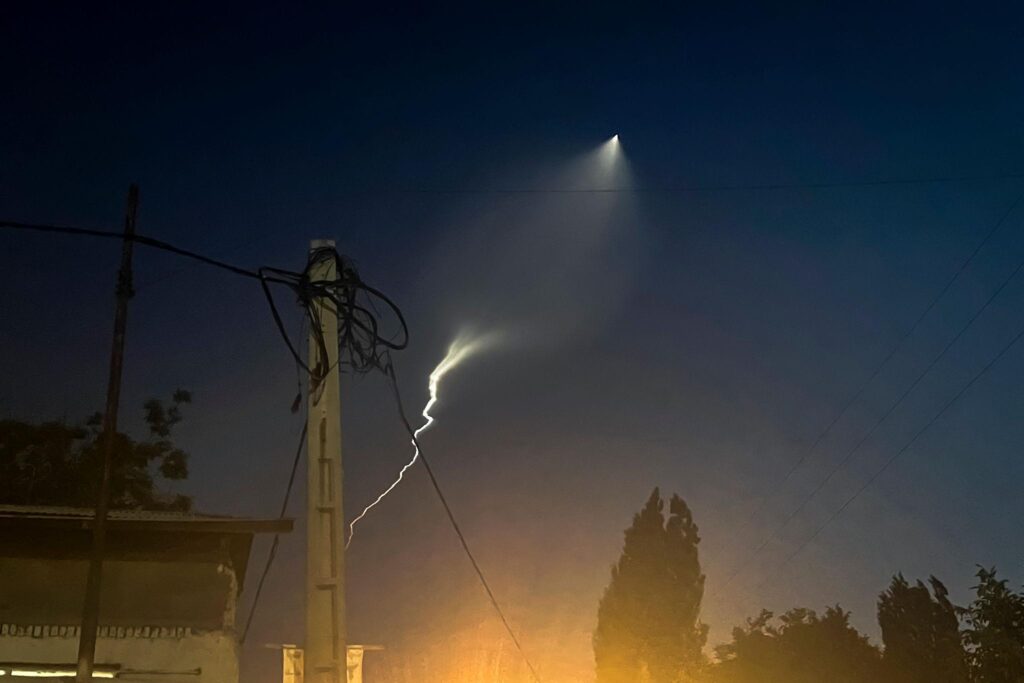
What Is the Iran Ballistic Missile Attack in Recent War?
The Iran ballistic missile attack in recent war refers to the missile strikes launched by Iran during the escalating conflict between Iran, Israel, and Western allies in 2026.
These attacks were largely retaliatory actions following coordinated military operations targeting Iran’s military infrastructure.
Ballistic missiles are long-range weapons that travel in a curved trajectory through space before falling toward their targets at extremely high speeds.
During the Iran ballistic missile attack in recent war, these missiles were used to target:
- Military bases
- Oil facilities
- Air defense installations
- Strategic infrastructure
- Military command centers
Some missiles even crossed international airspace, triggering defense responses from NATO and neighboring countries.
This large-scale missile campaign demonstrated how powerful Iran’s missile program has become over the last two decades.
Iran’s Expanding Missile Arsenal
Iran currently possesses one of the largest missile arsenals in the Middle East.
Experts estimate that Iran has around 2,500 ballistic missiles of various ranges and capabilities.
These missiles fall into three main categories:
Short-Range Ballistic Missiles
Range: up to 1,000 km
Examples:
- Fateh-110
- Zolfaghar
- Qiam missile
These missiles are mainly used against nearby targets such as military bases in neighboring countries.
Medium-Range Ballistic Missiles
Range: 1,000–2,000 km
Examples:
- Shahab-3
- Ghadr missile
- Khorramshahr missile
The Khorramshahr missile, for example, can travel up to 2,000 km and carry a warhead weighing nearly 1,800 kg.
Such missiles can reach targets across much of the Middle East.
https://www.reuters.com/world/iran/
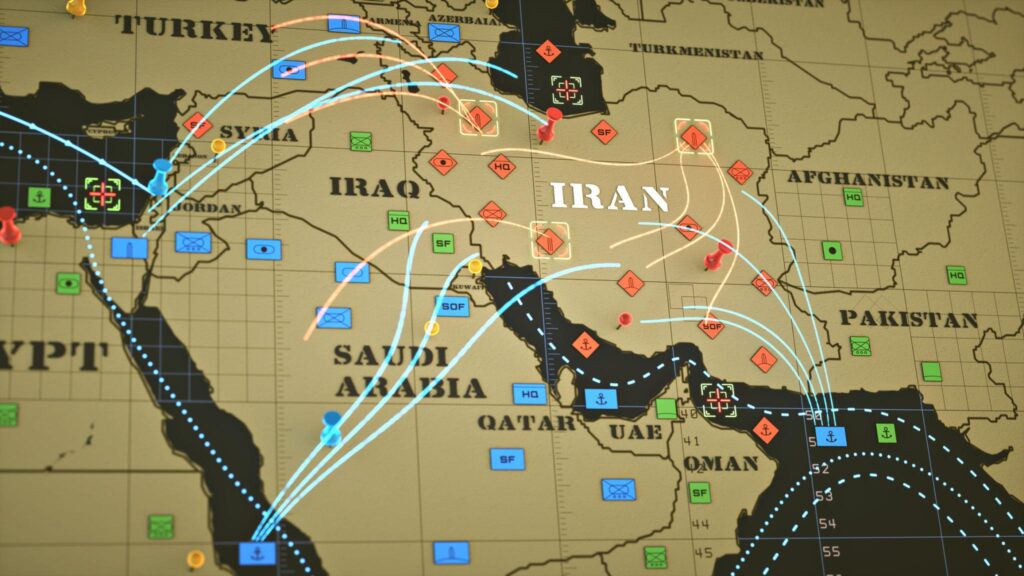
Advanced Solid-Fuel Missiles
In recent years, Iran has developed solid-fuel ballistic missiles, which can be launched much faster than traditional missiles.
Unlike liquid-fuel missiles that require preparation before launch, solid-fuel missiles can be fired almost instantly.
This makes them much harder to detect and intercept.
These technologies played a major role in the Iran ballistic missile attack in recent war.
How the Iran Ballistic Missile Attack in Recent War Works
Understanding the Iran ballistic missile attack in recent war requires knowing how ballistic missiles actually work.
Ballistic missiles usually operate in three phases.
https://www.bbc.com/news/articles/cx2dyz6p3weo
1 Launch Phase
The launch phase begins when the missile is fired from a launch site using powerful rocket engines.
Iran uses several launch platforms:
- Underground missile bases
- Mobile missile trucks
- Hidden mountain launch facilities
- Military bases
These mobile systems allow Iran to launch missiles quickly and avoid detection.
During the Iran ballistic missile attack in recent war, many missiles were launched in coordinated waves to overwhelm defense systems.
2 Midcourse Phase
After the rocket engines stop firing, the missile enters the midcourse phase.
During this stage:
- The missile travels outside the Earth’s atmosphere
- It follows a curved trajectory
- It can travel thousands of kilometers
Because the missile is flying through space, it becomes difficult for radar systems to track.
This phase is one of the reasons the Iran ballistic missile attack in recent war is so difficult to defend against.
3 Re-entry Phase
The final phase occurs when the missile re-enters the atmosphere.
At this stage:
- The missile speeds toward its target
- Speed can exceed Mach 10
- Interception becomes extremely difficult
This final stage allows ballistic missiles to strike with enormous destructive force.
Real-World Uses of Iran Ballistic Missiles
The Iran ballistic missile attack in recent war is not the first time Iran has used missiles in military operations.
Several real-world examples demonstrate how these weapons are used.
1 Missile Strikes in the 2026 Iran War
The current conflict has seen extensive missile activity across the Middle East.
Reports indicate that:
- Iran launched missiles toward Israel
- Several Gulf countries intercepted incoming missiles
- NATO forces helped intercept missiles near Turkey
For example, NATO air defense systems intercepted multiple Iranian missiles entering Turkish airspace.
This highlights the regional impact of the Iran ballistic missile attack in recent war.
2 Attacks on Military Bases
Iran has historically used ballistic missiles to target military bases.
In 2020, Iran launched missile strikes against U.S. military bases in Iraq in response to the killing of Iranian General Qassem Soleimani.
That attack demonstrated Iran’s capability to conduct long-range missile operations.
3 Strikes Across the Middle East
During the ongoing conflict, missile strikes have affected several countries.
Targets reportedly included:
- Kuwait
- Israel
- Gulf states
- Military installations across the region
For example, Kuwait reported intercepting 97 Iranian ballistic missiles and hundreds of drones during retaliatory strikes.
These events are part of the broader Iran ballistic missile attack in recent war.
4 Civilian Impact
Missile attacks can also affect civilian populations.
One missile strike damaged homes and injured dozens of residents in a village near Nazareth in Israel.
Even when interception systems are used, debris from missiles can still cause damage.
Future Impact of the Iran Ballistic Missile Attack in Recent War
The Iran ballistic missile attack in recent war may change the future of warfare in several important ways.
1 Expansion of Missile Defense Systems
Countries around the world are investing in missile defense technologies.
Examples include:
- Iron Dome (Israel)
- Patriot missile system (USA)
- THAAD missile defense system
These systems attempt to intercept missiles before they reach their targets.
However, as missile technology improves, defense systems must also evolve.
2 Growth of Hypersonic Weapons
Future missiles may travel even faster than traditional ballistic missiles.
Hypersonic weapons can travel at speeds greater than Mach 5 and maneuver during flight.
This makes them extremely difficult to intercept.
Many countries are now developing these advanced weapons.
3 Rising Global Tensions
The Iran ballistic missile attack in recent war has increased tensions across the Middle East.
Military alliances have strengthened, and several countries have increased their defense spending.
If the conflict escalates further, it could reshape global geopolitical alliances.
4 Changing Nature of Warfare
Modern warfare is increasingly dominated by advanced technology.
Instead of traditional battles, conflicts now involve:
- drones
- cyber warfare
- precision missiles
- satellite surveillance
The Iran ballistic missile attack in recent war shows how long-range weapons are transforming military strategy.
Conclusion
The Iran ballistic missile attack in recent war represents one of the most significant military developments of the decade.
This conflict has shown how ballistic missiles can influence global security and international politics.
With thousands of missiles in its arsenal and the ability to launch coordinated attacks, Iran has demonstrated the strategic importance of missile technology.
At the same time, the global response to these attacks shows how nations are preparing for a new era of high-tech warfare.
The Iran ballistic missile attack in recent war is not just a regional issue. It is a global security challenge that could shape the future of military strategy for decades to come.
What is the Iran ballistic missile attack in recent war?
The Iran ballistic missile attack in recent war refers to missile strikes launched by Iran during escalating military tensions in the Middle East. These attacks involved long-range ballistic missiles targeting military bases, defense systems, and strategic locations. The missile campaign demonstrated Iran’s advanced missile technology and its ability to strike targets across long distances.
What types of missiles were used in the Iran ballistic missile attack in recent war?
Several missile systems were reportedly used during the Iran ballistic missile attack in recent war, including:
Shahab-3 medium-range ballistic missile
Fateh-110 short-range ballistic missile
Zolfaghar precision strike missile
Khorramshahr long-range missile
These missiles can travel hundreds or thousands of kilometers and carry powerful warheads.
How far can Iran’s ballistic missiles travel?
Many of Iran’s ballistic missiles can travel between 300 km and 2,000 km, depending on the missile type. Some advanced systems can reach targets across the entire Middle East. The Iran ballistic missile attack in recent war demonstrated the long-range capability of these weapons.
Can ballistic missiles be intercepted?
Yes, some ballistic missiles can be intercepted using advanced missile defense systems such as:
Iron Dome
Patriot missile defense system
THAAD missile defense system
However, during the Iran ballistic missile attack in recent war, many missiles traveled at extremely high speeds, making interception difficult.