As rockets, drones, and ballistic missiles fly across the region, Middle East missile defense systems Iron Dome Patriot THAAD have become a daily part of the news cycle, not just military jargon. Israel, Saudi Arabia, the UAE, Qatar, and the United States depend on these layered shields to protect cities, bases, and vital energy infrastructure from a wide range of aerial threats.
In this guide, you will learn how Iron Dome, Patriot, and THAAD actually work, where these Middle East missile defense systems are deployed, how well they perform under real‑world pressure, and what new challenges they face in the evolving missile and drone war between Iran and its rivals.
Why Iron Dome, Patriot and THAAD Matter in the Middle East
Iron Dome: Front‑Line Shield Against Rockets and Drones
Patriot: Workhorse Air and Missile Defense System
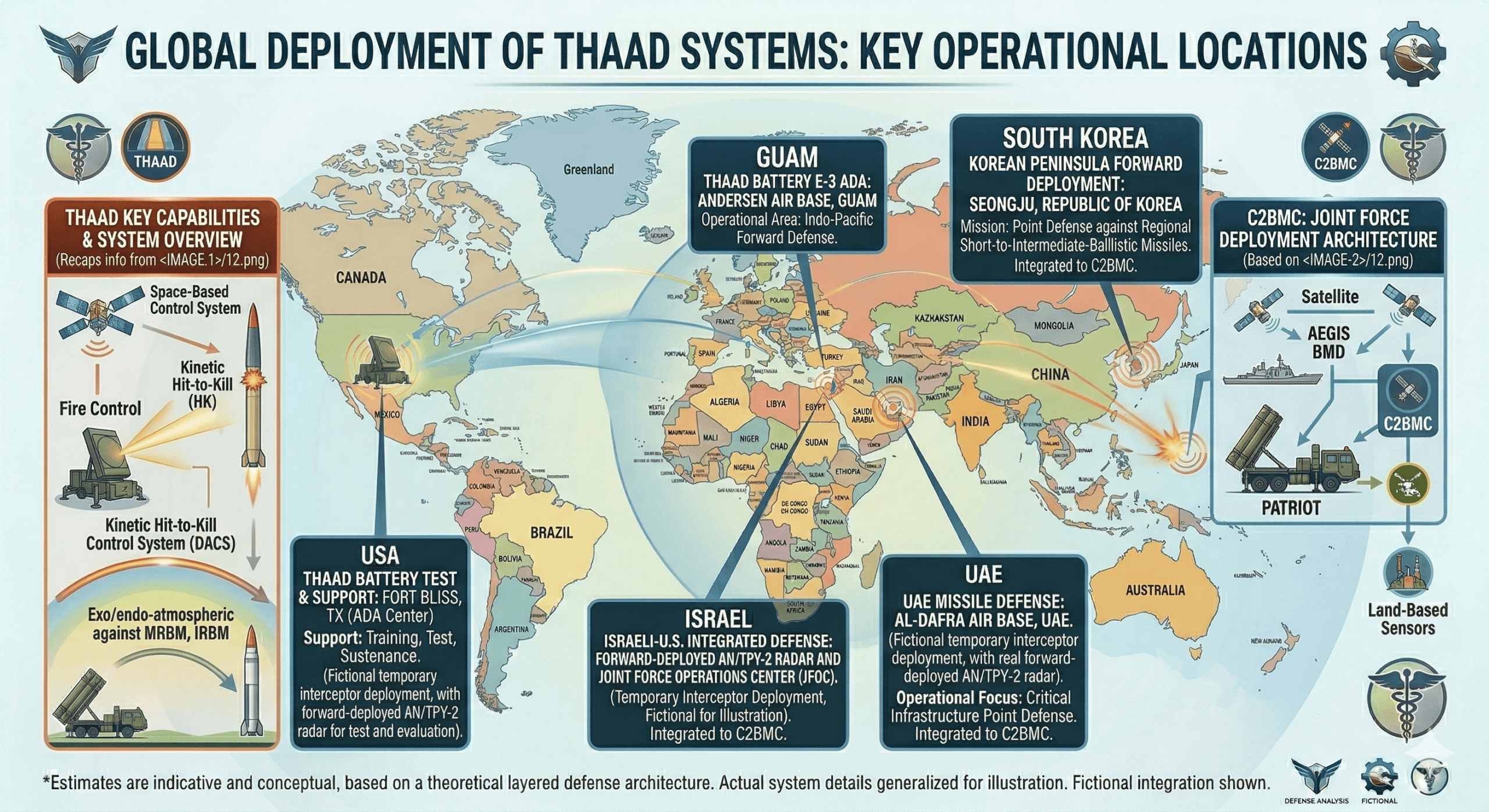
THAAD: High‑Altitude Interceptor in the Region
Layered Middle East Missile Defense Systems Iron Dome Patriot THAAD in Practice
Case Studies: Missile Defense in Recent Conflicts
Strengths and Limits of These Systems
Future of Middle East Missile Defense
FAQ: Middle East Missile Defense Systems Iron Dome Patriot THAAD
Conclusion and Call to Action
What Are Middle East Missile Defense Systems?
When people talk about Middle East missile defense systems Iron Dome Patriot THAAD, they mean the radar, interceptor missiles, and command networks that countries use to detect and destroy incoming rockets, missiles, and drones before they hit.
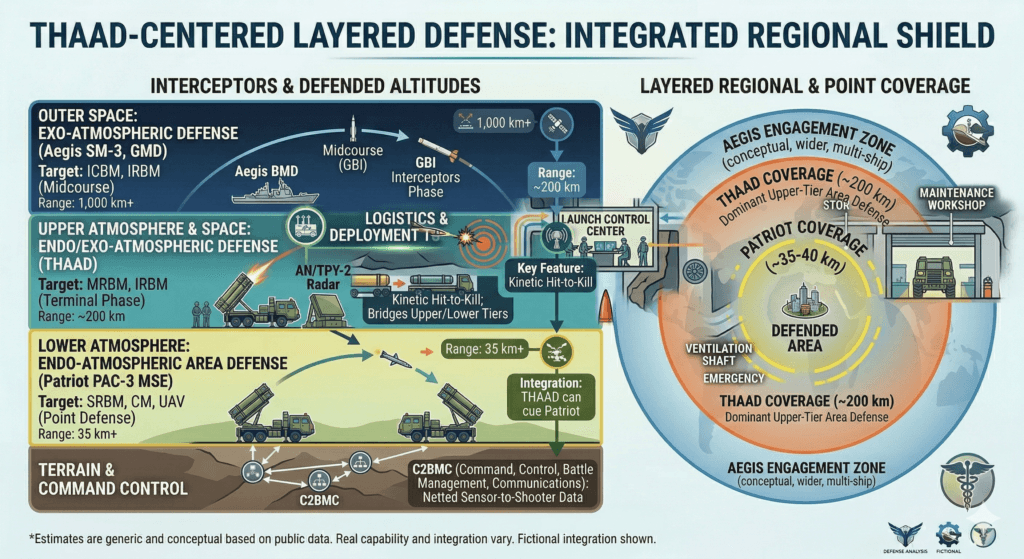
Instead of relying only on fighter jets, states in the region have built layered missile defense: low‑altitude systems to stop short‑range rockets, medium‑tier systems to counter aircraft and tactical ballistic missiles, and high‑altitude systems to intercept more powerful ballistic threats in space or the upper atmosphere. These layers are necessary because no single system can handle every threat type and altitude on its own.
In practical terms, Middle East missile defense systems include Iron Dome batteries around Israeli cities, Patriot units in Saudi Arabia and the UAE, and THAAD batteries and radars spread across Israel and the Gulf, all connected by shared data links and U.S. support.
Why Iron Dome, Patriot and THAAD Matter in the Middle East
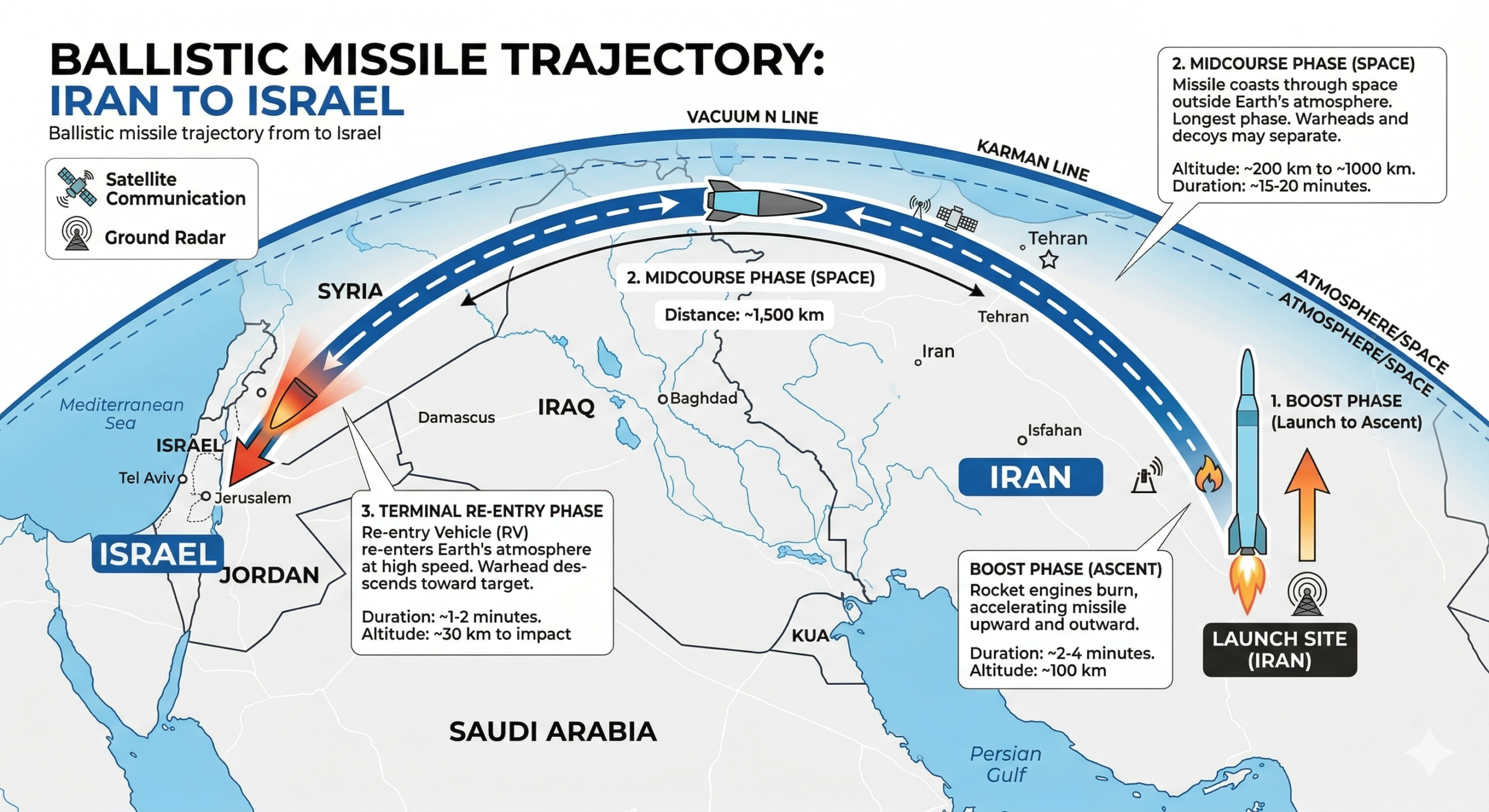
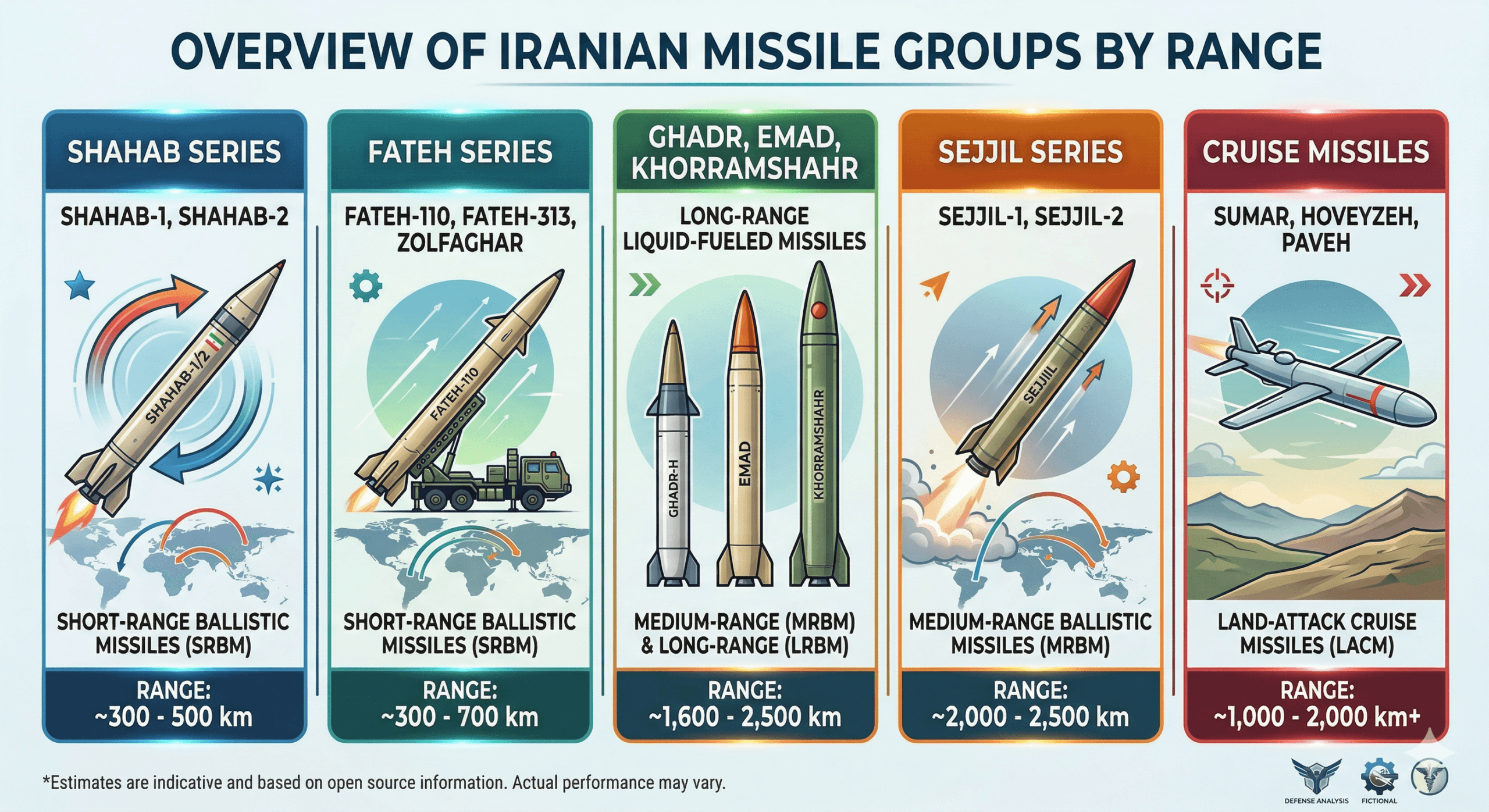
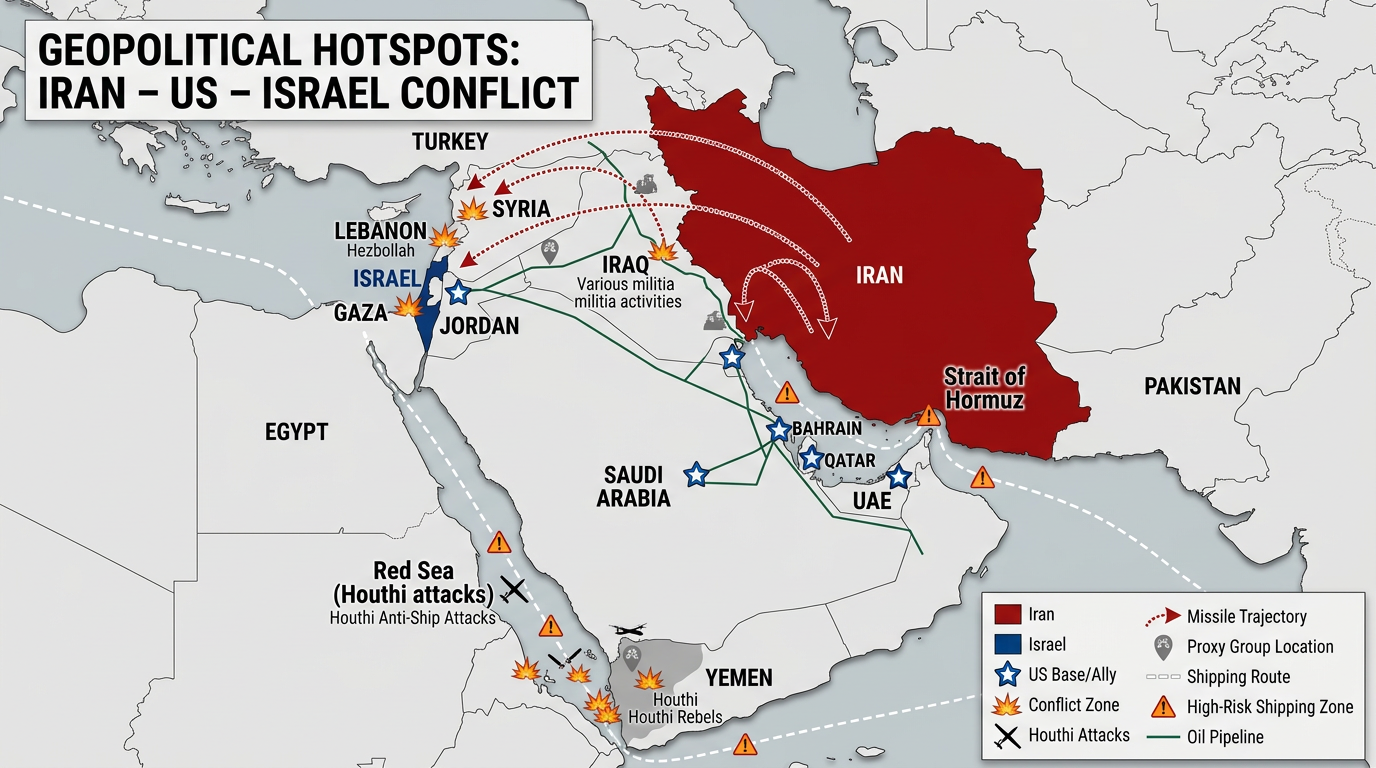
The Middle East is one of the most missile‑dense regions in the world. Iran has built the largest and most diverse ballistic missile arsenal in the region, while armed groups like Hezbollah, Hamas, and Yemen’s Houthis fire large numbers of rockets and drones.
Because of this, Middle East missile defense systems Iron Dome Patriot THAAD are not luxuries—they are daily tools of survival:
Iron Dome protects Israeli towns and cities from short‑range rockets, mortars, and some drones coming from Gaza and Lebanon.
Patriot batteries in Saudi Arabia, the UAE, Qatar, and Bahrain protect oil facilities, airports, and population centers from missiles and aircraft.
THAAD batteries in the UAE, Saudi Arabia, and U.S. deployments provide a high‑altitude shield against medium‑range ballistic missiles from Iran and other regional actors.
As recent conflicts have shown, these systems can mean the difference between a destroyed city block and an intercepted missile far away in the sky.
Iron Dome: Front‑Line Shield Against Rockets and Drones
How Iron Dome Works
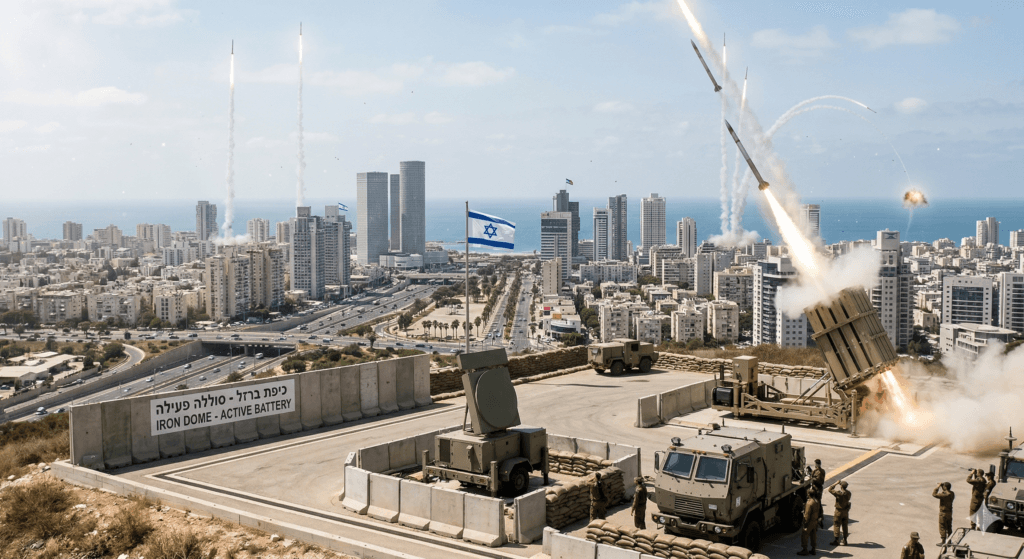
Iron Dome is the best‑known of the Middle East missile defense systems. It was built by Israel’s Rafael and Israel Aerospace Industries after the 2006 Lebanon war, when Hezbollah rockets repeatedly hit northern Israel.
An Iron Dome battery has three core components:
A multi‑mission radar that detects and tracks incoming rockets, artillery shells, and drones within tens of kilometers.
A battle management and control system that calculates each projectile’s path and predicts its impact point.
Multiple launchers loaded with Tamir interceptor missiles, each launcher holding up to 20 interceptors.
When a rocket is fired toward Israel, the radar tracks it and the software checks whether it is likely to land in a populated area or a critical target. If not, Iron Dome ignores it to save interceptors. If the rocket is headed toward a city or infrastructure, Iron Dome fires a Tamir missile to explode it in mid‑air, usually above open areas.
This smart filtering is one reason Iron Dome, as part of Middle East missile defense systems Iron Dome Patriot THAAD, can cope with large salvos without trying to intercept every single projectile.
Performance: Success Rates and Real Numbers
Iron Dome has built an impressive track record:
The Israel Defense Forces (IDF) say Iron Dome destroys about 90% of the rockets that it decides to engage, a figure widely quoted by international media.
Rafael, the manufacturer, reports over 5,000 interceptions with a success rate above 90% since the system entered service in 2011.
Academic and think‑tank assessments put Iron Dome’s success rate generally in the 85–90% range, still extremely high compared with older missile defenses.
Each Tamir interceptor is not cheap—often quoted at tens of thousands of dollars—but the cost is still lower than the damage prevented in major urban areas.
As short‑range threats evolve, Iron Dome has been upgraded to handle more types of drones and some cruise‑like threats, keeping it central to Middle East missile defense systems.
The MIM‑104 Patriot is a U.S. long‑serving air and missile defense system that has been modernized many times. It is widely used by Middle Eastern allies, including Saudi Arabia, the UAE, Qatar, Kuwait, Bahrain, and Israel for certain roles.
A typical Patriot battery includes:
A phased‑array radar that tracks aircraft, drones, and ballistic missiles.
A command/control station.
Several mobile launchers with Patriot interceptor missiles, such as PAC‑2 or PAC‑3.
Originally an anti‑aircraft system, Patriot has been upgraded into PAC‑3 configurations that can engage tactical ballistic missiles and some cruise missiles, making it a mid‑tier component of Middle East missile defense systems Iron Dome Patriot THAAD.
Patriot in Combat: Yemen and Beyond
Patriot has seen extensive combat use in the Middle East:
Raytheon and U.S. missile‑defense advocates say Saudi and UAE Patriot batteries have intercepted over 100 tactical ballistic missilesfired from Yemen since 2015, with some tallies putting the number well above that.
A 2018 CBS investigation, however, used video evidence to challenge some Saudi interception claims, suggesting that Patriot interceptors sometimes failed or detonated behind incoming missiles, allowing warheads to hit near intended targets.
This mixed picture shows that Patriot is effective but not perfect. As part of Middle East missile defense systems Iron Dome Patriot THAAD, it provides essential coverage for medium‑altitude threats, protecting air bases, cities, and oil facilities, especially in Gulf Cooperation Council states.
Interception at ranges of roughly 150–200 km, far beyond Iron Dome and overlapping with or above Patriot’s engagement envelope.
Hit‑to‑kill interceptors that destroy targets by direct impact rather than explosive fragmentation.
Powerful AN/TPY‑2 radars that can detect and track ballistic missiles at long ranges and share data across U.S. and allied networks.
THAAD’s ability to intercept missiles high in the sky gives Middle East missile defense systems Iron Dome Patriot THAAD their upper shield, particularly against medium‑range ballistic missiles from Iran.
THAAD in the UAE, Saudi Arabia, and Israel
The United Arab Emirates was the first foreign customer for THAAD, receiving its first battery in 2015. Lockheed Martin calls THAAD a “cornerstone” of the UAE’s missile defense architecture, layered above Patriot PAC‑3 systems.
Important milestones include:
The UAE’s first THAAD battery arriving in 2015, followed by extensive testing and integration with U.S. partners.
THAAD’s first real‑world intercept in January 2022, when a UAE battery shot down a Houthi ballistic missile aimed at Abu Dhabi.
Multiple THAAD batteries now deployed in the UAE and Saudi Arabia, with U.S. forces also operating THAAD in Israel during periods of high tension with Iran.
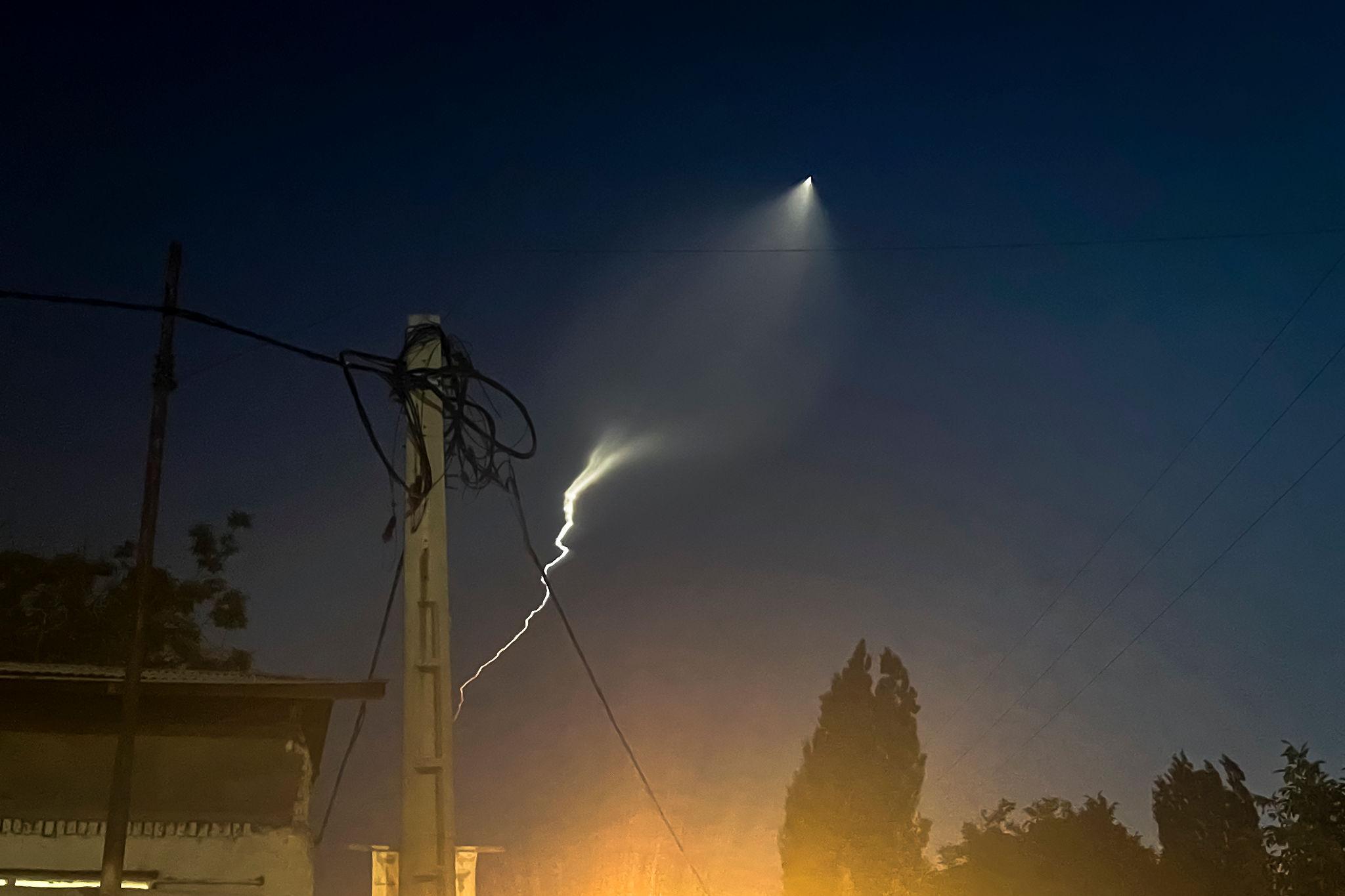
During the 2026 Iran conflict, THAAD interceptors in the UAE reportedly destroyed several Iranian ballistic missiles in the terminal phase, with their “hit‑to‑kill” collisions producing sonic booms heard over wide areas.
At the same time, news and analysis show that Iran deliberately targeted THAAD‑linked radar sites in Jordan, Saudi Arabia, and the UAE, highlighting the vulnerability of radar and control nodes in Middle East missile defense systems.
Layered Middle East Missile Defense Systems Iron Dome Patriot THAAD in Practice
The main idea behind Middle East missile defense systems Iron Dome Patriot THAAD is layering: different systems cover different distance and altitude bands but share information.
Israel’s Multi‑Layered Shield
Israel’s architecture is one of the world’s most advanced:
Iron Dome forms the lowest tier, handling rockets, mortars, and many drones in the 4–70 km band (and beyond in upgraded versions).
David’s Sling covers medium‑range missiles and some heavier rockets.
Arrow‑2 and Arrow‑3 protect against long‑range ballistic missiles at very high altitudes.
Patriot and temporary THAAD deployments from the U.S. add additional layers during major crises with Iran.
In April 2024 and later large‑scale Iranian attacks, Israel reportedly used all available layers, with U.S. help, and claimed interception rates as high as 99% of incoming threats in one major wave, though some projectiles still got through. This performance depended on tight integration of Middle East missile defense systems Iron Dome Patriot THAAD and Israel’s own systems.
Gulf Cooperation Council Missile Defense
Gulf states have built a similar, though not identical, layered structure:
All GCC countries except Oman operate advanced Patriot systems, many using the latest PAC‑3 MSE interceptors.
Saudi Arabia and the UAE also deploy THAAD batteries, giving them high‑altitude defenses against longer‑range missiles.
Beneath these, they use a mix of older medium‑range air defenses and fighter jets to counter drones and shorter‑range threats.
Analysts say this Gulf network of Patriot and THAAD, supported by U.S. assets, is one of the key reasons why recent Iranian and Houthi salvos have not caused even greater damage. Yet, the same analysts warn that interceptor stocks could be strained if wars and saturation attacks continue.
Case Studies: Missile Defense in Recent Conflicts
Iron Dome vs Rockets from Gaza and Lebanon
Iron Dome has operated almost continuously since 2011:
During clashes with Hamas in 2012, 2014, 2021 and later, Iron Dome intercepted rockets headed for cities like Tel Aviv, Ashkelon, and Beersheba, with success rates around 85–90% for engaged targets.
In 2024–2025, under combined rocket and drone attacks from Gaza, Lebanon, and Iran‑backed groups, Iron Dome batteries across Israel again formed the first layer of defense, integrated with David’s Sling and Arrow.
These episodes cement Iron Dome’s place at the heart of Middle East missile defense systems Iron Dome Patriot THAAD, especially for short‑range threats.
Patriot vs Missiles and Drones from Yemen
Saudi Arabia and the UAE have faced repeated ballistic missile and drone attacks from Yemen’s Houthis:
Raytheon and U.S. officials credit Arab‑operated Patriots with intercepting over 100 tactical ballistic missiles from Yemen by 2017, with more intercepts since then.
Independent video analysis by researchers and journalists found several cases where Patriot interceptors may have missed or malfunctioned, leading to questions about claimed success rates.
Even with these controversies, Patriot remains a critical component of Middle East missile defense systems, especially around key oil sites and capitals.
THAAD in Abu Dhabi and the Iran War
THAAD’s regional importance became clear in two key moments:
In January 2022, a UAE THAAD battery made its first operational intercept by destroying a Houthi ballistic missile aimed at Abu Dhabi.
In the 2026 Iran war, the UAE reported intercepting hundreds of Iranian ballistic and cruise missiles and more than a thousand drones, with THAAD playing a central role in protecting cities like Dubai and Abu Dhabi.
At the same time, Iranian strikes on THAAD‑linked radars in Jordan, Saudi Arabia, and the UAE showed how vulnerable the backbone of Middle East missile defense systems Iron Dome Patriot THAAD can be if radars are not hardened or duplicated.
Strengths and Limits of These Systems
Key Strengths
Proven effectiveness in combat
Iron Dome’s more than 5,000 interceptions and roughly 90% success rate for engaged rockets demonstrate that short‑range missile defense can work on a large scale.
Patriot and THAAD have both shown successful real‑world intercepts against ballistic missiles in the Gulf and against Houthi and Iranian threats.
Layered coverage Iron Dome, Patriot, and THAAD together create overlapping rings of protection at different altitudes, improving the odds that at least one layer can stop an incoming missile.
Deterrence and political reassurance Visible successes by Middle East missile defense systems Iron Dome Patriot THAAD reassure civilians and send a message to adversaries that missile attacks will be costly and less effective.
Main Limits and Challenges
Cost and interceptor stockpiles
Iron Dome Tamir interceptors may cost tens of thousands of dollars each; THAAD interceptors cost millions.
Gulf states are already worried about running low on interceptors during the intense Iran war, raising questions about sustainability.
Not 100% perfect
Investigations into Patriot’s record in Saudi Arabia show that even advanced systems can fail, with some missiles slipping through defenses.
Iron Dome and THAAD also have limitations under very heavy saturation attacks or with new threat types like maneuvering re‑entry vehicles.
Vulnerability of radars and networks
THAAD radars and other early‑warning sensors were targeted by Iran in 2026, proving that “eyes and brains” of missile defense are attack priorities.
Evolving threats Attackers are fielding faster ballistic missiles, low‑flying cruise missiles, and cheap expendable drones, all of which stress Middle East missile defense systems Iron Dome Patriot THAAD in new ways.
Future of Middle East Missile Defense
Experts expect Middle East missile defense systems to keep evolving in several directions:
Deeper regional integration – The U.S., Israel, and Gulf partners are working on tighter data‑sharing so that THAAD radars, Patriot batteries, and local systems function as one network instead of separate islands.
More focus on drones and cruise missiles – Iron Dome is already adapted to some drones, and new systems like Iron Beam (a laser) are being tested to provide cheaper interception options.
Hardened and redundant radars – After THAAD‑linked sites were struck, states will likely invest in better protection for radars and command centers, including underground facilities and mobile backup units.
New technologies and doctrines – Advanced sensors, AI‑assisted targeting, and cooperative engagement between ships, ground batteries, and aircraft will become more central to Middle East missile defense systems Iron Dome Patriot THAAD over the next decade.
Conclusion
In a region where missile and drone attacks are no longer rare events but recurring realities, Middle East missile defense systems Iron Dome Patriot THAAD form a critical shield over millions of civilians and vital economic assets. Iron Dome stops short‑range barrages, Patriot guards airspace and key sites against aircraft and tactical missiles, and THAAD intercepts high‑altitude ballistic threats in the final seconds of flight.
1. What are the main Middle East missile defense systems?
The main Middle East missile defense systems Iron Dome Patriot THAAD are Iron Dome for short‑range rockets and drones, Patriot for aircraft and tactical ballistic missiles, and THAAD for high‑altitude ballistic missiles. Together, they form layered shields over Israel and key Gulf states.
2. How effective is Iron Dome in real combat?
Israel’s military and Rafael say Iron Dome has intercepted more than 5,000 rockets with around 90% success for engaged targets since 2011. Independent assessments typically confirm an 85–90% interception rate, making it one of the most successful air‑defense systems in use
3. Do Patriot systems really work against missiles from Yemen?
Yes, Patriot has intercepted many missiles launched from Yemen, with Raytheon stating more than 100 tactical ballistic missile intercepts by Saudi and UAE batteries. However, investigations based on video evidence show that some missiles still got through, so Patriot is effective but far from perfect
4. What does THAAD add that Patriot and Iron Dome do not?
THAAD gives high‑altitude ballistic missile defense in the 150–200 km range and can hit threats inside and outside the atmosphere using hit‑to‑kill interceptors. This top layer allows Middle East missile defense systems Iron Dome Patriot THAAD to engage longer‑range missiles earlier and over a wider defended area.
5. Where are THAAD systems deployed in the Middle East?
THAAD is operated by the UAE and Saudi Arabia, and U.S. forces have deployed THAAD batteries to Israel during peak tensions with Iran. THAAD radars are also positioned in Jordan and the Gulf to provide regional early warning and trackin
6. Are these missile defense systems enough to stop all attacks?
No. While Middle East missile defense systems Iron Dome Patriot THAAD greatly reduce the damage from rocket and missile attacks, they cannot guarantee 100% protection. High costs, finite interceptor stocks, evolving threats, and vulnerability of radars mean that some missiles and drones can still get through in major wars.




1 thought on “Ultimate Middle East Missile Defense Systems Iron Dome Patriot THAAD: Complete 2026 Guide”