
Elephants rarely get cancer despite having trillions of cells. Discover the science behind why elephants don’t get cancer and their powerful genetic defense.
Alternative version:
Scientists discovered why elephants don’t get cancer. Learn about TP53 genes, Peto’s paradox, and the powerful elephant cancer resistance mechanism.
One of the biggest mysteries in cancer biology is why elephants don’t get cancer even though they have far more cells than humans.
Cancer usually develops when cells accumulate genetic mutations that cause uncontrolled growth.
Because elephants have many more cells, scientists once believed they should have higher cancer rates.
However, research shows the opposite.
This surprising pattern is known as Peto’s Paradox.
According to this paradox, larger animals do not necessarily develop more cancer than smaller animals.
External research:
https://www.cancer.gov/news-events/cancer-currents-blog/2015/peto-paradox
Scientists studying this paradox realized that large animals must have evolved extremely strong biological defenses against cancer.
Elephants turned out to have one of the most powerful cancer-protection systems in the animal kingdom.
Table: Body Size vs Cancer Risk
| Species | Body Size | Estimated Cancer Rate |
|---|---|---|
| Mouse | Small | Moderate |
| Human | Medium | ~20–25% |
| Elephant | Very Large | <5% |
This table illustrates the paradox: bigger animals do not automatically get more cancer.
Understanding this phenomenon helped scientists begin uncovering the elephants cancer resistance mechanism.
The TP53 Gene Explains Why Elephants Don’t Get Cancer

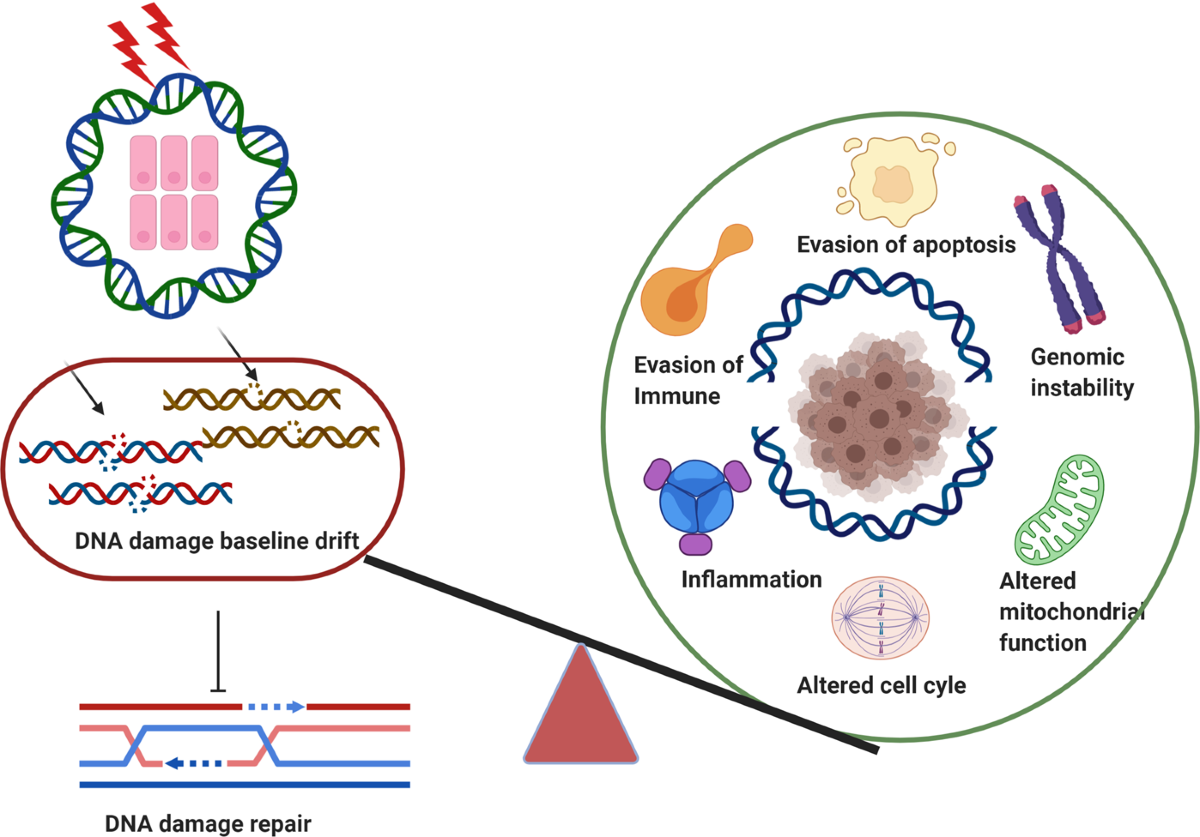
One of the most important discoveries explaining why elephants don’t get cancer is related to a gene called TP53.
The TP53 gene is one of the most important tumor-suppressor genes in biology.
Scientists often call it “the guardian of the genome.”
Its job is to monitor the health of DNA inside cells.
When DNA damage occurs, TP53 can stop the cell cycle, repair the DNA, or trigger cell death.
Researchers discovered something extraordinary about elephants.
Elephants have around 20 copies of the TP53 gene, while humans have only one copy.
External research:
https://www.science.org/content/article/how-elephants-avoid-cancer
Because elephants have so many TP53 genes, their cells respond very aggressively to DNA damage.
Instead of allowing damaged cells to survive, elephant cells often destroy themselves immediately.
This rapid response is a key reason why elephants don’t get cancer.
How the TP53 Gene Prevents Cancer
The TP53 gene protects organisms through several mechanisms:
- Detects damaged DNA
- Stops cell division
- Activates DNA repair systems
- Triggers programmed cell death
When these processes function correctly, mutated cells are eliminated before tumors can form.
Because elephants possess many copies of this gene, their cells are extremely efficient at preventing cancer.
This makes TP53 a central component of the elephants cancer resistance mechanism.
The Zombie Gene That Helps Explain Why Elephants Don’t Get Cancer


Another remarkable discovery related to why elephants don’t get cancer is a gene known as LIF6.
Scientists sometimes refer to LIF6 as a zombie gene.
A zombie gene is a gene that was once inactive during evolution but later became functional again.
Researchers discovered that the LIF6 gene helps destroy damaged cells before they can become cancerous.
External research:
https://elifesciences.org/articles/31907
How the LIF6 Zombie Gene Works
When DNA damage occurs in elephant cells:
- TP53 genes detect the damage
- The LIF6 gene becomes activated
- LIF6 attacks the mitochondria of the damaged cell
- The cell undergoes apoptosis (programmed cell death)
Because elephant cells quickly destroy damaged cells, tumors rarely develop.
This process is another important part of the elephants cancer resistance mechanism.
Scientific Studies Explaining Why Elephants Don’t Get Cancer
Several research teams around the world have studied why elephants don’t get cancer.
One of the most influential studies was conducted by scientists at the University of Chicago.
Their research showed that elephants possess multiple copies of tumor-suppressor genes.
External research:
https://news.uchicago.edu/story/elephants-rarely-get-cancer-thanks-evolved-genetic-defenses
According to evolutionary biologist Vincent Lynch, elephants evolved enhanced mechanisms that eliminate damaged cells before they become dangerous.
This discovery confirmed that elephants possess one of the strongest cancer-prevention systems in the animal kingdom.
Evolutionary Reasons Why Elephants Don’t Get Cancer
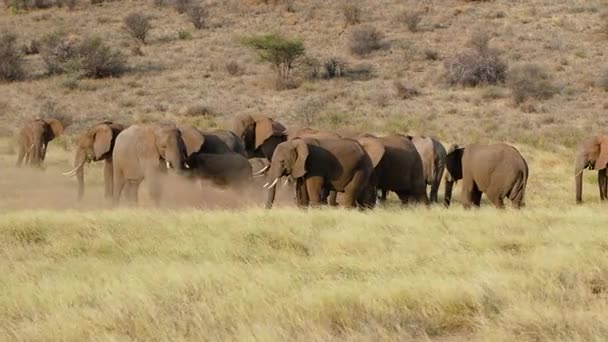
Evolution helps explain why elephants don’t get cancer.
Large animals face unique biological risks.
These include:
- A huge number of cells
- Long lifespans
- Increased mutation opportunities
Without strong tumor-suppression systems, large animals would likely die from cancer before reproducing.
Natural selection therefore favored animals with strong genetic defenses.
Over millions of years, elephants evolved the powerful elephants cancer resistance mechanism.
How Elephant Cancer Research Could Help Humans
Understanding why elephants don’t get cancer may help scientists develop new medical treatments.
Possible applications include:
1. Improved Cancer Detection
Studying elephant genetics may help scientists detect cancer earlier.
2. New Cancer Drugs
Researchers hope to design drugs that mimic elephant tumor-suppression systems.
3. Gene-Based Therapies
Insights from TP53 and LIF6 genes may inspire gene therapies.
4. Personalized Medicine
Elephant research could improve targeted cancer treatments.
These discoveries show how studying animals can provide important clues for human medicine.
Key Reasons Why Elephants Don’t Get Cancer
Scientists have identified several factors behind the elephants cancer resistance mechanism.
Genetic Factors
- Around 20 copies of TP53 tumor-suppressor gene
- Presence of LIF6 zombie gene
- Strong DNA repair mechanisms
Cellular Factors
- Rapid apoptosis response
- Aggressive elimination of mutated cells
- Powerful tumor suppression pathways
Together these biological defenses explain why elephants don’t get cancer as frequently as humans.
Conclusion: Why Elephants Don’t Get Cancer and What Humans Can Learn
The mystery of why elephants don’t get cancer has revealed one of the most fascinating evolutionary adaptations in biology.Despite having trillions of cells, elephants rarely develop cancer because they possess powerful genetic defenses.
These include:
- Multiple TP53 tumor suppressor genes
- The LIF6 zombie gene
- Rapid apoptosis systems
Together these mechanisms form the elephants cancer resistance mechanism, allowing elephants to eliminate potentially cancerous cells before tumors can develop.
Scientists hope that studying these natural defenses will help develop new strategies to prevent, detect, and treat cancer in humans.




1 thought on “Why Elephants Don’t Get Cancer: The Amazing Genetic Defense Scientists Discovered”