The Quiet Revolution Happening Inside Your Cells
For most of pharmaceutical history, drugs were either small chemical molecules or large proteins harvested from biological sources. Both approaches share a fundamental limitation: they can only act on targets that are already accessible—proteins that have already been made, enzymes that are already circulating. A vast landscape of disease-causing processes, particularly those driven by faulty genetic instructions deep inside cells, was simply unreachable.
RNA therapeutics change that equation entirely. By working at the level of messenger RNA (mRNA)—the molecular middleman that carries genetic instructions from DNA to the protein-making machinery of the cell—scientists can now intercept, correct, or amplify biological messages before they ever become disease. The result is a class of medicines with an almost breathtaking range of potential: vaccines that train the immune system against cancer, drugs that silence the genes responsible for rare inherited diseases, and therapies that could one day reprogram cells to heal themselves.
The COVID-19 pandemic introduced hundreds of millions of people to mRNA vaccines, but that was only the opening act. As of mid-2026, more than 20 RNA-based drugs have received regulatory approval worldwide, and hundreds more are in clinical trials. Here is a deep look at how RNA therapeutics work and the seven most transformative ways they are reshaping medicine.
What Are RNA Therapeutics? A Quick Primer
RNA—ribonucleic acid—is the molecule that acts as a go-between in the central dogma of molecular biology: DNA makes RNA, RNA makes protein. Different types of RNA play different roles, and RNA therapeutics exploit several of them:
- Messenger RNA (mRNA): Carries the protein-building blueprint from the cell nucleus to the ribosomes. Therapeutic mRNA delivers instructions to produce a beneficial protein—such as a viral antigen to trigger immunity, or a missing enzyme to treat a metabolic disorder.
- Small interfering RNA (siRNA): Short, double-stranded RNA molecules that trigger a natural cellular process called RNA interference (RNAi), causing the cell to degrade a specific mRNA before it can produce its protein. Used to silence disease-causing genes.
- Antisense oligonucleotides (ASOs): Short, single-stranded synthetic RNA or DNA fragments that bind to a target mRNA, blocking its translation or directing its destruction. Several ASO drugs already treat spinal muscular atrophy and Duchenne muscular dystrophy.
- Aptamers: RNA molecules folded into three-dimensional shapes that can bind to proteins with high specificity, similar to antibodies but smaller and easier to manufacture.
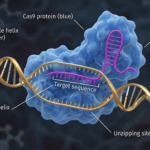
- Guide RNA (gRNA): The navigational component of CRISPR-Cas9 gene editing systems, directing the molecular scissors to a precise location in the genome.
The common thread is that all these approaches act on RNA—either synthetic RNA delivered into the body, or the body’s own RNA manipulated by therapeutic agents.
The Delivery Problem: How RNA Gets Where It Needs to Go
RNA is notoriously fragile. Naked RNA injected into the bloodstream is degraded by enzymes called RNases within minutes. Getting therapeutic RNA safely into the right cells has been one of the central engineering challenges of the field.
The breakthrough that made mRNA vaccines possible was the lipid nanoparticle (LNP)—a tiny sphere of fatty molecules that encapsulates RNA and protects it during transit, then fuses with the cell membrane to release its cargo inside. LNP technology, pioneered over decades and refined by researchers including Katalin Karikó and Drew Weissman (who shared the 2023 Nobel Prize in Physiology or Medicine for their foundational mRNA work), has become the dominant delivery platform for mRNA drugs.
For siRNA, chemists have developed modified nucleotides that resist enzymatic degradation, as well as conjugate systems that attach the siRNA to molecules like GalNAc (N-acetylgalactosamine), which are recognized by receptors on liver cells—making the liver a particularly tractable target for gene silencing therapies.
Researchers are now developing organ-selective LNPs engineered to preferentially accumulate in the lungs, muscles, or tumors, dramatically expanding the range of diseases that RNA drugs can reach.
7 Powerful Ways RNA Therapeutics Are Transforming Medicine
1. Personalized Cancer Vaccines
Every tumor carries unique mutations—a fingerprint of errors that caused healthy cells to go rogue. These mutations can produce abnormal proteins called neoantigens that are present on cancer cells but not on healthy tissue, making them ideal targets for the immune system. The problem has always been identifying and targeting these neoantigens fast enough to matter clinically.
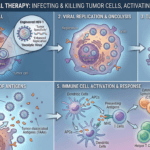
mRNA vaccines solve this elegantly. Using next-generation sequencing, clinicians can map a patient’s tumor mutations, identify the most immunogenic neoantigens, and within weeks synthesize a personalized mRNA vaccine that instructs the patient’s immune system to recognize and attack those specific targets. BioNTech and Moderna both have individualized neoantigen cancer vaccines in late-stage clinical trials for melanoma and pancreatic cancer, with early results showing meaningful improvements in recurrence-free survival when combined with checkpoint inhibitor immunotherapy.
This approach complements other cutting-edge cancer treatments. For patients with blood cancers, CAR-T cell therapy has already demonstrated remarkable results, and researchers are exploring combinations of mRNA vaccines and CAR-T cells to produce even deeper and more durable responses.
2. Silencing the Genes Behind Rare Inherited Diseases
Approximately 7,000 rare diseases affect more than 300 million people worldwide, and the vast majority have no approved treatment. Many are caused by a single faulty gene that produces a toxic or dysfunctional protein. siRNA drugs are uniquely suited to these conditions: rather than trying to replace or repair the broken gene, they simply silence it—switching off production of the harmful protein at the mRNA level.
Inclisiran, approved by the FDA and EMA for high cholesterol caused by elevated PCSK9 levels, demonstrated what siRNA can do at scale: two injections per year dramatically reduce LDL cholesterol by silencing the gene that limits the liver’s ability to clear it. Givosiran (for acute hepatic porphyria), lumasiran (for primary hyperoxaluria type 1), and vutrisiran (for hereditary transthyretin amyloidosis) have followed. Each of these treats a condition for which patients previously had few or no options.
3. Replacing Missing Proteins Without Viral Gene Therapy
Traditional gene therapy typically uses viral vectors—modified adeno-associated viruses (AAVs)—to deliver a corrective gene into cells. While effective, viral gene therapy carries risks including immune reactions and, in some cases, integration near cancer-promoting genes. mRNA therapy offers an alternative: instead of delivering the gene itself, you deliver the mRNA instructions to temporarily produce the missing protein.
This approach is being explored for diseases like cystic fibrosis (where the CFTR protein is absent or dysfunctional), hemophilia A and B (where clotting factors VIII or IX are missing), and Crigler-Najjar syndrome (a severe liver disorder). Because mRNA is transient—it is degraded within days—the treatment must be repeated, but this also means there is no permanent alteration of the genome, and dosing can be adjusted or stopped if needed.
4. Infectious Disease Vaccines Beyond COVID-19
The speed at which mRNA COVID-19 vaccines were developed—roughly 11 months from genome sequence to emergency authorization—demonstrated a manufacturing advantage no conventional vaccine platform can match. The same platform is now being applied to influenza, RSV, HIV, tuberculosis, norovirus, and Zika virus, among others.
Particularly notable is the development of combination mRNA vaccines that could protect against multiple strains of influenza simultaneously, potentially replacing the annual reformulation cycle that limits conventional flu vaccine effectiveness. Moderna’s mRNA-1345 RSV vaccine for older adults received FDA approval in mid-2024, further validating the platform beyond COVID-19. The NIH’s National Institute of Allergy and Infectious Diseases has ongoing programs exploring mRNA-based HIV vaccines, targeting conserved regions of the virus that traditional approaches have struggled to reach (NIAID HIV Vaccine Research).
5. Cardiovascular Disease and Cholesterol Management
Cardiovascular disease remains the world’s leading cause of death, and many patients cannot achieve adequate LDL cholesterol reduction through statins alone—either because of side effects, genetic conditions like familial hypercholesterolemia, or insufficient response. RNA therapeutics are opening new therapeutic avenues.
Beyond inclisiran’s PCSK9-silencing approach, researchers are developing siRNA and ASO drugs targeting other cardiovascular risk factors: lipoprotein(a) [Lp(a)], elevated triglycerides driven by APOC3, and inflammatory markers. Pelacarsen, an ASO drug targeting Lp(a)—a genetically determined cardiovascular risk factor with no approved treatment as of 2025—is in Phase 3 trials with results expected in 2026–2027.
These developments are particularly important given the growing recognition that cardiovascular risk has genetic roots that lifestyle alone cannot fully address. For readers who want to understand the underlying genetic contributors to heart disease, our detailed guide on genetic heart conditions in young adults provides essential background.
6. Neurological and CNS Disorders
The central nervous system has long been a graveyard for drug development—the blood-brain barrier excludes most large molecules, and neurons are difficult to target. RNA therapeutics are beginning to breach these barriers, both literally and figuratively.
Nusinersen (Spinraza), an ASO drug delivered by intrathecal injection directly into the spinal fluid, transformed the treatment of spinal muscular atrophy (SMA), a leading genetic cause of infant mortality. Children who would previously have lost motor function now maintain or even gain it. ASO drugs are also in development for amyotrophic lateral sclerosis (ALS), Huntington’s disease, Alzheimer’s disease, and Parkinson’s disease—all conditions driven by protein aggregates or misfolded proteins that RNA silencing could prevent from forming.
For Alzheimer’s specifically, researchers are targeting APOE4, the strongest genetic risk factor for late-onset Alzheimer’s, with siRNA and ASO approaches designed to reduce the production of this risk-associated protein variant in the brain.
7. Anti-Inflammatory and Autoimmune Therapies
Many autoimmune and inflammatory diseases are driven by overproduction of specific cytokines—signaling molecules that, in excess, cause damaging inflammation. siRNA and ASO drugs can silence the genes encoding these cytokines or their receptors with a precision that small-molecule drugs cannot achieve.
RNA-based anti-inflammatory therapies are in development for conditions ranging from rheumatoid arthritis and inflammatory bowel disease to nonalcoholic steatohepatitis (NASH) and kidney fibrosis. Because siRNA drugs can be designed and synthesized relatively quickly once a target is validated, this platform could also allow rapid response to newly identified inflammatory pathways, much as mRNA vaccines allowed rapid response to new viral threats.
Safety, Challenges, and What Comes Next
RNA therapeutics are not without challenges. Immune stimulation remains a concern: the cell’s innate immune system evolved to detect foreign RNA as a sign of viral infection, and unmodified therapeutic RNA can trigger inflammatory responses. The incorporation of modified nucleosides—particularly pseudouridine, a key innovation of Karikó and Weissman—dramatically reduces this problem for mRNA. For siRNA, chemical modifications to the backbone and ends of the molecule serve a similar purpose.
Off-target effects are another concern. siRNA molecules can silence unintended mRNAs if their sequence partially matches other transcripts—a problem called off-target silencing. Sophisticated bioinformatics tools now screen candidate sequences before synthesis to minimize this risk.
Manufacturing scale and cost remain significant. Personalized cancer vaccines, by definition, must be custom-manufactured for each patient—a logistical and economic challenge that the field is working to address through automation and decentralized manufacturing networks.
Despite these hurdles, the pace of progress is striking. The FDA’s Nucleic Acid-Based Therapies program has created specific regulatory pathways to accelerate review of these medicines, reflecting regulatory agencies’ recognition that RNA therapeutics represent a paradigm shift rather than an incremental advance.
Looking ahead, researchers are exploring circular RNA (which resists degradation far better than linear mRNA), self-amplifying RNA (which produces its own replication machinery, allowing lower doses), and RNA base editing (which can correct single-letter errors in RNA without touching the underlying DNA). Each of these could expand the therapeutic window further.
The intersection of RNA therapeutics with other emerging fields is also fertile ground. GLP-1 receptor agonists have demonstrated how a single molecular target can reshape treatment across multiple diseases simultaneously; RNA therapeutics now promise a similar multiplier effect, with a single platform technology applicable to oncology, cardiology, neurology, and infectious disease.
For those tracking the broader science of precision cardiovascular medicine, it is also worth noting that lifestyle factors like chronic stress and sleep deprivation activate many of the same inflammatory pathways that RNA therapeutics are being designed to suppress—underscoring that these molecular tools work best in concert with evidence-based lifestyle medicine.
The scientific and regulatory community is also investing in infrastructure: the WHO’s prequalification program for mRNA vaccines, for example, aims to ensure that manufacturing standards developed in high-income countries can be replicated globally, addressing one of the equity gaps exposed by the COVID-19 pandemic (WHO mRNA Vaccine Technology Transfer Hub).
Frequently Asked Questions About RNA Therapeutics
Are RNA therapeutics the same as gene therapy?
Not exactly. Traditional gene therapy delivers DNA into cells to permanently alter the genome. RNA therapeutics work at the mRNA level and are generally transient—they do not change the underlying DNA sequence. This makes RNA drugs more reversible and, in many cases, safer, but it also means they may need to be administered repeatedly for chronic conditions.
Can mRNA from a therapeutic vaccine change your DNA?
No. mRNA cannot be reverse-transcribed into DNA under normal cellular conditions—human cells do not possess the reverse transcriptase enzyme required for this process (with the exception of some mobile genetic elements that operate under very specific conditions). Therapeutic mRNA is translated into protein by ribosomes in the cell cytoplasm and then degraded, typically within a few days. It never enters the cell nucleus where DNA is stored.
What is RNA interference (RNAi) and how does it relate to siRNA drugs?
RNAi is a natural cellular defense mechanism, first described by Andrew Fire and Craig Mello (Nobel Prize 2006), in which double-stranded RNA triggers the degradation of complementary mRNA sequences. Cells use RNAi to silence viral RNA and regulate gene expression. siRNA drugs harness this existing machinery by introducing synthetic double-stranded RNA that directs the cell’s own RNAi pathway to degrade a disease-causing mRNA.
How long do the effects of siRNA drugs last?
It depends on the specific drug and target tissue. Inclisiran, for example, requires only two injections per year because the GalNAc conjugate is taken up efficiently by liver cells and remains active for months. Other siRNA drugs may require more frequent dosing. Researchers are working on formulations and delivery strategies to extend the duration of effect.
What diseases could RNA therapeutics treat in the next decade?
The pipeline includes treatments for Alzheimer’s disease, Parkinson’s disease, ALS, various cancers (through personalized neoantigen vaccines and tumor-directed siRNA), inherited heart conditions, chronic viral infections such as HIV and hepatitis B, and a wide range of rare genetic disorders. Some researchers believe RNA therapeutics could eventually address almost any disease with a known genetic or molecular basis.
Are there side effects from RNA-based drugs?
Like all medicines, RNA therapeutics can cause side effects. The most common with mRNA vaccines and siRNA drugs include injection-site reactions (redness, swelling, pain) and systemic effects (fatigue, fever, muscle aches) that reflect immune activation. Serious side effects are rare but have been documented—including rare allergic reactions to LNP components. Ongoing pharmacovigilance programs monitor safety across large populations.
Conclusion: The Age of Programmable Medicine
RNA therapeutics represent the realization of a vision that molecular biologists have held since the discovery of messenger RNA in the early 1960s: the ability to write precise instructions in the language of the cell and deliver them as medicine. The COVID-19 pandemic accelerated the field by forcing rapid investment and regulatory innovation, but the scientific foundations were decades in the making.
What makes RNA therapeutics genuinely revolutionary is not any single application but the platform nature of the technology. The same lipid nanoparticle delivery system, the same manufacturing infrastructure, the same regulatory framework can be applied to a new target—a new virus, a newly identified cancer mutation, a newly understood metabolic pathway—with a speed and flexibility that no previous drug development paradigm has matched.
We are at the beginning of the age of programmable medicine. The diseases that seem intractable today—Alzheimer’s, ALS, many cancers, dozens of rare genetic disorders—may look very different to the next generation of physicians and patients. RNA is the language in which that future is being written.
Disclaimer: This article is provided for educational and informational purposes only. It is not medical, legal, financial, or other professional advice. For health-related decisions, diagnosis, treatment, or medication questions, consult a qualified healthcare professional.